|
|
Differing approaches
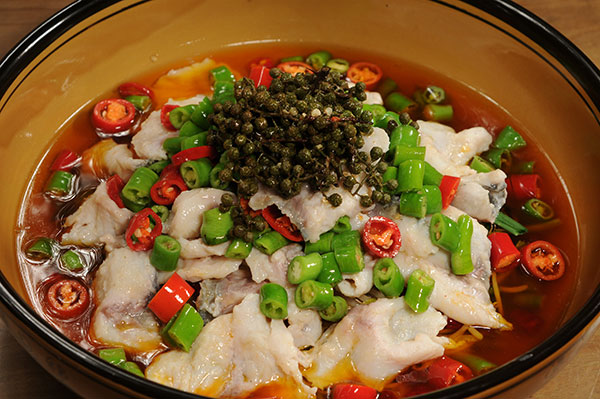
Lu and his team conducted their research on adults from 10 geographically diverse areas of China between 2004 and 2008, while a seven-year follow-up study charted the subsequent mortality and morbidity rates.
When choosing their subjects, Lu and his co-workers excluded people with cancer and heart disease, and those who'd had a stroke. Those chosen were divided into two groups, and different approaches were used to analyze the potential relationship between their consumption of spicy food and the presumed health benefits.
In the first group, the researchers factored in age and other relevant factors, such as smoking. They discovered a "significant inverse association" between the consumption of spicy food and a lower risk of death from cancer and heart and respiratory diseases; that is, the more spicy food a person ate, the lower the risk of contracting the illnesses.
The subjects in the second group were not classified by age, but factors such as smoking, level of physical activity and alcohol consumption were taken into account. The results suggested that the relationship between regular consumption of spicy food and the lower risk of early death was stronger among teetotalers than people who drank alcohol.
"Both spicy foods and alcohol affect the levels of lipids (fats), inflammation, oxidative stress, gut bacteria and other metabolic indicators - interactions may occur in these overlapped pathways. However, we lack evidence that specifically supports this process of interaction," Lu said, adding that further research would be required to find a conclusion.
Crucially, the study also failed to identify the mechanism by which spicy foods may hold back the hands of time, leaving several question marks, including the possibility that cause and effect had been confused.
"The relationship between eating spicy food and lower health risks could be a result of certain substances in chili peppers that reduce the chances of contracting some chronic diseases, but that has yet to be confirmed by scientific research," Lu said.
Fang Yu, director of dietetics at the Peking University Cancer Hospital, said general well-being may play an important role in dietary choice. "It's possible that some people eat more spicy food because they are inherently healthier than those who do not, especially in terms of their digestive systems," he said.
Lu's findings came on the back of research conducted last year by scientists at the University of California, Berkeley, which showed that when certain pain receptors were inhibited in mice - thereby preventing them from experiencing the burning sensation that usually accompanies consumption of chili peppers - those fed a diet of chili lived an average 14 percent longer than their "control" counterparts.


Copyright 1995 - . All rights reserved. The content (including but not limited to text, photo, multimedia information, etc) published in this site belongs to China Daily Information Co (CDIC). Without written authorization from CDIC, such content shall not be republished or used in any form. Note: Browsers with 1024*768 or higher resolution are suggested for this site.
License for publishing multimedia online 0108263 Registration Number: 130349