


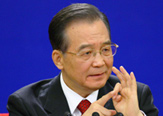
 China will keep the yuan basically stable at a reasonable level.
I can understand some countries' desire to raise exports, but what I do not understand is depreciating one's own currency and attempting to pressure others to appreciate, for the purpose of increasing exports. In my view, that is protectionism.
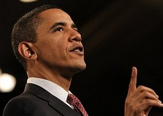 Chinese movement to a more market-oriented exchange rate is needed to help efforts to rebalance the global economy.
Countries with external surpluses need to boost consumption and domestic demand.
 The yuan's value is not the cause of the US deficit, which is actually caused by its defective economic structure.
The US trade deficit is mainly a result of its low savings and high consumption rates, and the fact that its manufacturing capacity has mostly shifted overseas, such as China.
It has few products to export and among the few it can sell overseas, it has blocked exports of high-tech products to China.
 I believe the currency adjustment that is being suggested by the West is the wrong way to go.
If China were to adjust its currency sharply higher, the Chinese share of the US multilateral trade deficits would shift to another country, a higher cost producer, which would have the effect of imposing a tax on American workers that the politicians are in theory trying to protect.

The US has always adopted an egotistical and unilateralist dollar policy. The currency has been considered an effective instrument to balance the US' national interests and manage crises.
A depreciated dollar has helped boost US exports and reduce its trade deficits against other countries.
 The president is playing with fire... Obama really should tread carefully. At the same time, the US is now at risk of sparking what could be an all-out trade war.
Beijing will eventually allow the yuan to rise, but in its own time and in order to tackle inflation and not because of US pressure.
 China will limit the yuan's appreciation to 4 percent over the next 12 months because of a "super cautious" outlook on the global economy, said New York University Professor Nouriel Roubini.
The debate on the valuation of the yuan has been escalating. Chinese Premier Wen Jiabao said on March 14 that the Chinese currency is not undervalued while US President Barack Obama pushed for China to change its currency policy.
A stronger Chinese yuan will eventually hurt US exporters and cost US consumers more, said two US foreign exchange experts in an article published Tuesday by the US Foreign Policy journal.
An European Union top diplomat said here on Wednesday that the exchange rate was a "very complex issue" and pressure should not be put on China's currency.
A stronger yuan would not be a tonic for the US economy or manufacturing and it would be a huge mistake to raise tariffs on imports from China to force a change in the yuan, says a US trade expert on Tuesday.
China on Tuesday shunned mounting US demands for a stronger yuan, saying again that renminbi is not the cause of China’s big trade surplus and vowing to keep the currency stable to shore up exports.

Copyright 1995 - . All rights reserved. The content (including but not limited to text, photo, multimedia information, etc) published in this site belongs to China Daily Information Co (CDIC). Without written authorization from CDIC, such content shall not be republished or used in any form. Note: Browsers with 1024*768 or higher resolution are suggested for this site.
License for publishing multimedia online 0108263 Registration Number: 20100000002731