


 During the last 30 years, the health service system in China has made several significant strides and improved the overall health condition of urban and rural Chinese citizens. Though much of the focus in those days was on public health and preventive treatment, it also had some shortcomings. An inherent flaw of the post-1980s period was that healthcare became more of a fee-for-service available mainly to those who could afford it. There was also a constant churn of medical personnel from the rural to the urban areas, contrary to what was envisaged by policymakers.
China already has a robust healthcare system, so the World Health Organization (WHO) is targeting its work to build technical capacity and share international best practices in specific areas where there may be gaps.
An old Chinese saying dating back to over 2,000 years says food is all-important to the people. But 20 centuries later, Chinese citizens are still grappling with several food safety concerns.

 Polar icebreaker Snow Dragon arrives in Antarctic
 Xi's vision on shared future for humanity
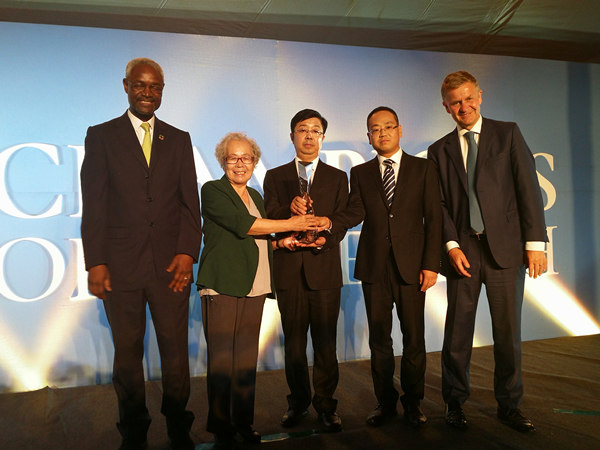 UN's top environmental honors go to three in China
 German trains collide near Duesseldorf, several people injured
 China beats Germany 7-4 in men's curling Olympic qualification
 Bayern beat Paris Saint-Germain 3-1 in UEFA Champions League
Copyright 1995 - . All rights reserved. The content (including but not limited to text, photo, multimedia information, etc) published in this site belongs to China Daily Information Co (CDIC). Without written authorization from CDIC, such content shall not be republished or used in any form. Note: Browsers with 1024*768 or higher resolution are suggested for this site.
License for publishing multimedia online 0108263 Registration Number: 20100000002731