



Concerns mount for Chinese pangolin









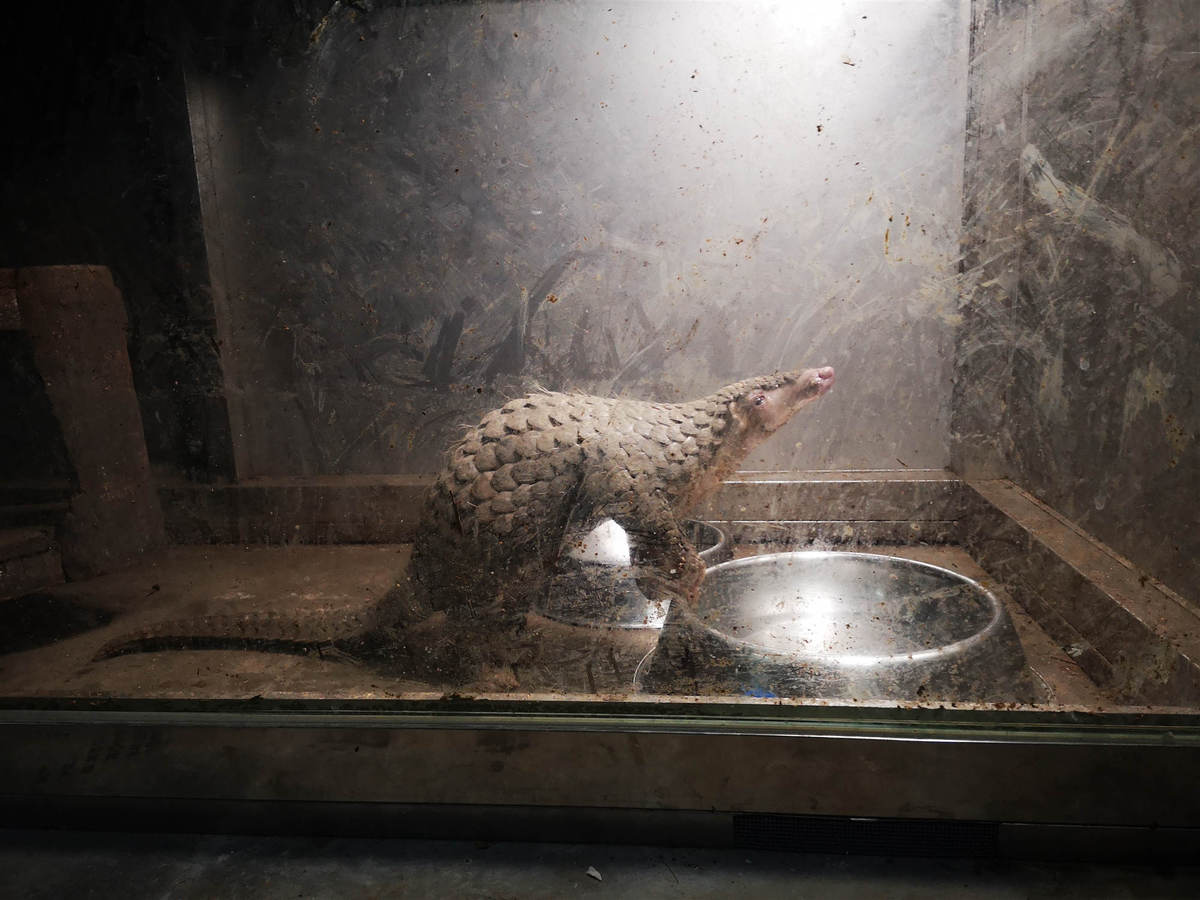
Declining population
According to a national wildlife survey conducted by forestry authorities in the 1990s, there were some 60,000 Chinese pangolins in 11 provinces, including Yunnan, Hunan, Guangdong, Sichuan and Zhejiang.
However, in recent years, the number has witnessed a sharp decline due to habitat destruction, rampant poaching and smuggling. In 2017, the International Union for Conservation of Nature placed Chinese pangolins on the Red List of Endangered Species, as a team of experts believed that the population had dropped by 90 percent in the previous decade.
Smugglers have targeted the animal for its scales, which are used in traditional Chinese medicine as a cure for hangovers, to treat liver conditions and help new mothers to breastfeed. Pangolin meat is also high in nutritional value.
The demand for pangolins can be attributed to the high profit to be made from the creatures. A CNN report in 2013 investigated the illegal pangolin trade and found that a poacher could earn $22.50 from a 1-kilogram pangolin.
"Sensing danger, pangolins curl themselves into tight balls instinctively. In the wild, this reflex protects them from predators such as bears and large cats. But they have little defense against wildlife traffickers," Wu said.
In addition to the threat from poachers, the Chinese pangolin is facing challenges from lost habitat due to environmental pollution, commercial logging and urbanization, Wu said.
"All these factors have resulted in the population decline. As the Chinese pangolin only produces one newborn a year, it will take a long time for the species to recover," he said.


- Foreign delegates tour Yangtze restoration in Hubei's Yichang
- Six-year-old panda En En delivers cub in Sichuan
- Canadian father says Beijing changed his thinking on parenting, safety
- Giant panda Hua Ni gives birth to female cub in South Korea
- Hunan laborer sends daughter to gaokao
- Guizhou villagers sell eggs, honey through weekly livestream sales





