



Organic innovation helps Pu'er brew business success









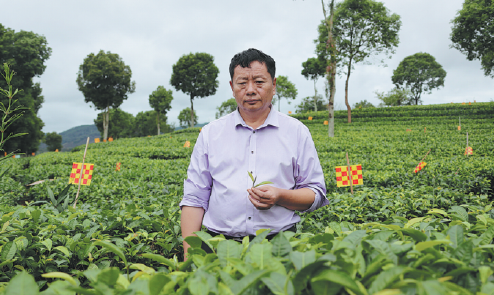
Dong was one of the first farmers to adopt organic tea cultivation.
Growing up in a peasant family, Dong said when he visited his neighbor's home as a little boy, the hosts would not let him drink the tea they grew for sale, but would instead offer the tea they grew in their own garden.
"They told me the tea slated for sale had been treated with pesticides and was not safe," he said.
This experience prompted the idea of growing 100 percent pesticide-free tea. "First, you have to feel safe drinking the tea yourself, and then consumers will feel safe buying your product. This is the only way to develop your business in a sustainable way," he said.
Dong started the business in 1998 and set stringent production standards.
To control pests without using chemicals, he introduced 80,000 brightly colored glue boards-which attracted the insects, who then stuck to the glue-installed 125 insect traps and kept free-range chickens to eat them.
Plantation workers also regularly sweep electric mosquito swatters over the tops of tea trees to kill the flying insects.
Dong also planted other types of trees to create a balanced ecosystem in the tea garden and help reduce the occurrence of disease through coexistence.
In 2008, Dong's tea was certified as organic by authorities in China, the European Union, the United States and Japan. Moreover, the provincial government has designated his brand, Zuxiang Tea, as one of Yunnan's top 10 famous teas every year since 2018.


- AI propels Chinese-produced precision devices into research labs
- This sweet protein hits 10,000 times the sweetness of regular sugar — with zero sugar load!
- Guangxi zoo issues urgent notice after several animals escape from flooded enclosures
- French archives on Japan's invasion given to Hunan museum
- Taiwan leader accused of military push for 'independence'
- PLA's far-sea training is routine, says spokesman





