In blatant violation of the Maastricht Treaty, the European Commission has come forward with one bailout plan after another for Europe's distressed economies.

As Italy's monthly current-account deficit approximates only €3-4 billion, the Target credit must have compensated primarily for capital flight.

Europe needs to face reality and initiate the difficult adjustment processes within the real economy that are necessary to rebalance the eurozone. Eurobonds would numb the distressed countries’ current pain, but they – and the eurozone as a whole – would end up far sicker than before.

The euro itself is at risk, because the countries in crisis have, in recent years, been running the eurozone's monetary printing presses overtime.

Why did Greece, Ireland, and Portugal have to seek shelter under the European Union's rescue umbrella, and why is Spain a potential candidate?

Having already agreed to double the AAA-rated lending capacity of the European Financial Stability Facility, European Union countries are now discussing the conditions under which the EFSF's funds will be made available.

By 2010, Europe was to be "the most competitive and dynamic knowledge-based society in the world."

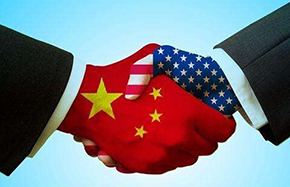
Because China has pegged its undervalued currency, the renminbi, to the dollar, every weakening of the dollar in the wake of America's financial crisis has also meant a weakening of the renminbi vis-à-vis other world currencies.

The western world is experiencing a process of portfolio rebalancing, reversing the golbal ranking of growth rates. Former champions are now limping around the track; former turtles are sprinting like gazelles.

In order to overcome the no-bailout clause, French President Nicolas Sarkozy and other European leaders dramatized the decline of southern European governments' bonds and the corresponding increase in interest-rate spreads. That poured fuel on the fire.
Copyright 1995 - . All rights reserved. The content (including but not limited to text, photo, multimedia information, etc) published in this site belongs to China Daily Information Co (CDIC). Without written authorization from CDIC, such content shall not be republished or used in any form. Note: Browsers with 1024*768 or higher resolution are suggested for this site.
License for publishing multimedia online 0108263 Registration Number: 130349