



Old tea forests on Jingmai Mountain named World Heritage Site









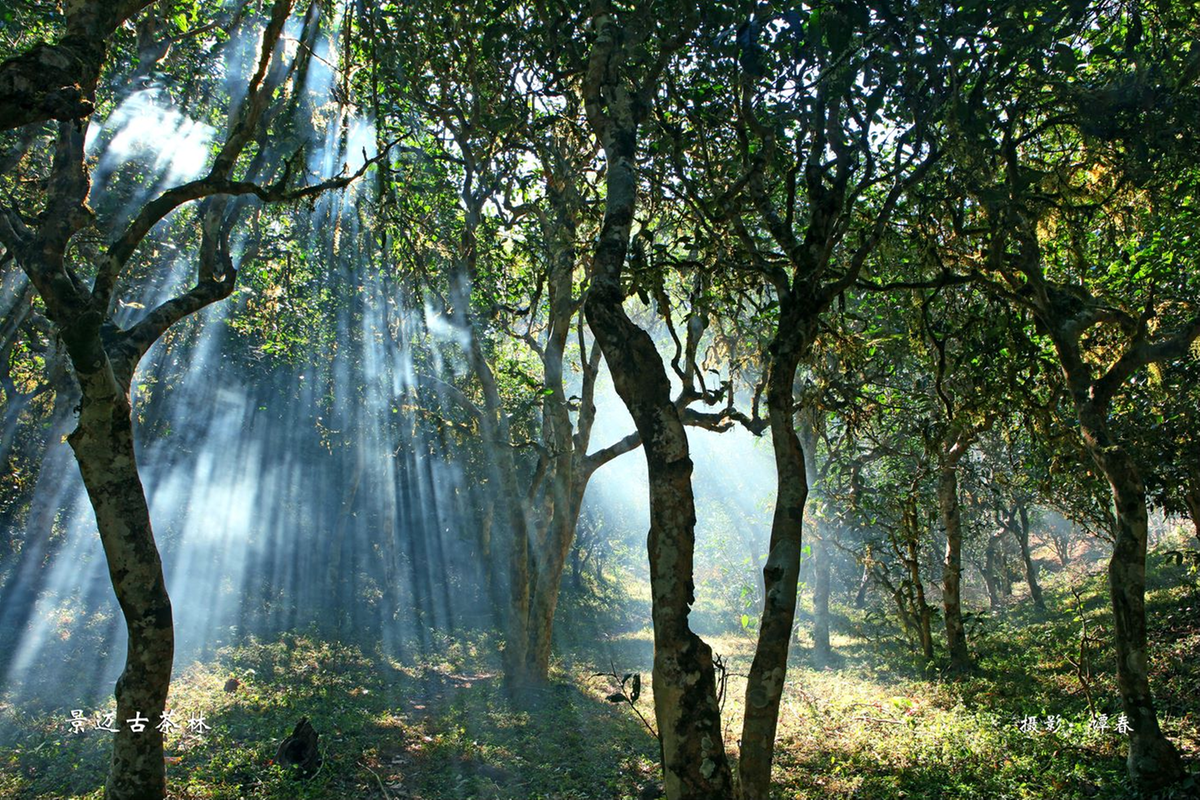
Chen Yaohua, director of World Heritage Research Center of Peking University who has led studies of the site in the past 12 years, said that the practice on Jingmai Mountain is quite unique in the context where large-scaled terraced tea plantations play a dominant role in today's world.
"It thus presents the ecological ethics and wisdom which can be critically inspiring for sustainable development of world today," Chen said.
According to his research, about 10 percent of tea trees on the mountain are at least 100-years-old, and the oldest ones are over 300.
On Jingmai Mountain, indigenous communities also maintain ancient governance systems to protect the site, including traditional festivals and ceremonies related to Tea Ancestor, a belief that spirits live in forest as well as among local fauna and flora. Tea leaves contribute to over 90 percent of the income for those communities.
Other than that, local governments of Yunnan province and Pu'er city released 3 laws and 7 regulations focusing on the protection of the cultural landscape on Jingmai Mountain.
The core zone of the World Heritage Site covers about 72 square kilometers on Jingmai Mountain. Its buffer zone spreads to about 120 square kilometers. The cultural landscape of old tea forests was first included in China's tentative list seeking for World Heritage status in 2012.


- Global sci-tech exchange to expand through International Month
- Mainland, HK police bust cross-border banking ring
- CAS launches program for extreme frontier breakthroughs
- China sent over 100 tons of disaster relief supplies to Nepal
- Yanshiping Station, world's highest passenger stop, eases travel in Xizang
- Nishan Forum on World Civilizations calls for a more equitable global governance system





