



China updates COVID-19 protocol









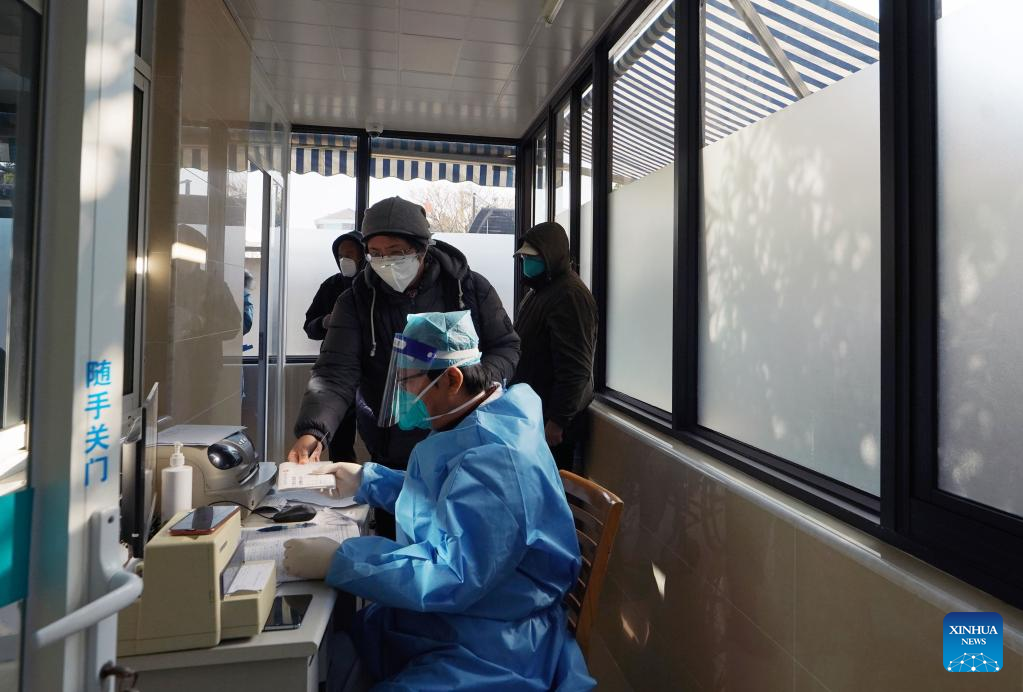
China released the 10th COVID-19 prevention and control protocol on Saturday, outlining regular disease surveillance requirements and ramped-up measures to counter an emergency.
According to the guideline published on the official website of the National Health Commission, the country will roll out monitoring of viral mutations and testing of urban wastewater, as well as rely on reports from hospitals receiving COVID-19 patients, sentinel hospitals for influenza flu and its vast surveillance network for pneumonia of unknown causes, so as to assess the spread of the virus at normal times.
In local outbreaks, local governments should collect and report positive results of self-delivered antigen tests, and enhance monitoring of fever clinics, elderly care and social welfare homes, schools, health condition and hospital visits of patients.
As the management of the COVID-19 disease will be downgraded from Class A to Class B on Sunday, the document also echoes a series of measures set to take effect, such as renaming the virus as the novel coronavirus infection, and stopping quarantining infected cases, tracking close contacts and designating at-risk areas.
The disease control protocol was released on the heels of the 10th version of the disease diagnosis and treatment guideline published on Friday.


- Chinese railway innovations shine at transport technology fair in Berlin
- Hainan, Hong Kong, Macao, and Taiwan tourism sectors discuss cooperation
- China Coast Guard conducts law enforcement control exercise near Huangyan Island
- Understanding China in the new era: From vision to action
- Tianjin Academy of Fine Arts shapes art education for AI era
- TUFE research team analyzes China's global economic narrative





