



Researchers develop microbiome search method to rapidly detect diseases









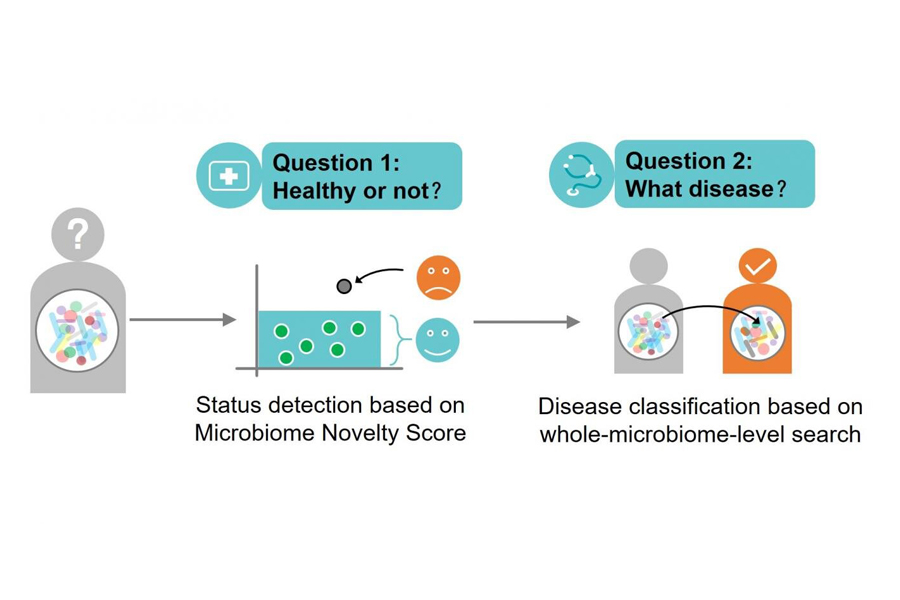
BEIJING - Researchers have developed a disease detection strategy based on a microbiome data search for rapid diagnosis.
The strategy can determine whether the microbiome samples being tested are healthy by figuring out the abnormal degree between them and the healthy samples in the database, as well as recognizing specific diseases by comparing the samples with the disease samples in the database.
More than 3,000 tests on intestinal flora samples showed that the strategy can detect multiple intestinal diseases with an accuracy above 80 percent. The detection can be completed within half a second.
The reference database of the strategy collects over 230,000 samples of intestinal, skin, oral, indoor environment, ocean and soil ecosystems.
The search-based strategy shows promise in building a microflora diagnosis system and intervention methods of chronic diseases or ecological disasters, according to the research article recently published in the journal mSystems.
The research was jointly conducted by the Qingdao Institute of BioEnergy and Bioprocess Technology under the Chinese Academy of Sciences and the University of California San Diego Center for Microbiome Innovation.


- Science seen as key to tackling global challenges
- Thai blogger does push-ups on Yulong Snow Mountain in Yunnan
- Russian university probes Chinese student's display of 'rising sun' flag
- Party expels ex-forestry and grassland head
- Former VP of PICC Yu Xiaoping expelled from CPC
- Former senior official investigated for serious violations of discipline and laws





