Environmental protection organiza- tions bringing polluters to court in the public interest is something new in China. The success of the first case of this kind blazes a new trail in the battle against polluters.
China's mega cities, such as Beijing, Shanghai and Shenzhen, have become attractive "gold mines" luring people from undeveloped areas in other parts of the country.
With its per capita gross domestic product (GDP) rising to about 30,000 yuan ($4,500), China is at a critical point if it is to avoid the middle income trap and push living standards closer to those of rich economies.
The prolonged drought, which has been hitting northern China harder than expected since last autumn, surely justifies greater efforts to accelerate the development of water conservancy projects and promote the sustainable use of water resources in this country.
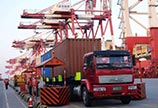
It is possible that, before the end of the decade, China's current-account surplus will move into deficit, as the country imports more than it exports and spends its foreign-investment income on imports rather than on foreign securities.
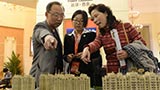
The State Council document released on Thursday to further check housing prices reflects the central government's determination to deflate the property market bubble and stabilize or even lower real estate prices that have been rising for the past few years.
New rules concerning house expropriation and demolition have tested the Chinese government's ability to balance the country's economic and social development and the protection of ordinary people's interests, experts say.
A few days ago, foreign ministers of the Association of Southeast Asian Nations (ASEAN) experienced the importance of connectivity and close cooperation with China.
China should learn from Japanese economy in many fields and transform its industries with technological advances.
Following the economic crisis of the past two years, we have now entered a new era of austerity and greater modesty. In this new reality, collective sacrifices must be made to safeguard and enhance our future.
China still needs the motivation to change its development pattern to move toward a greener economy and multinationals can act like a catalyst for the country to complete the transition.
Tough talk about an undervalued yuan giving Chinese goods unfair trade advantages at the cost of American jobs shows signs of easing in the United States after President Barack Obama said last week that half a million US jobs are created each year by exports to China.