



Theropod dinosaur footprints confirmed in Guangxi









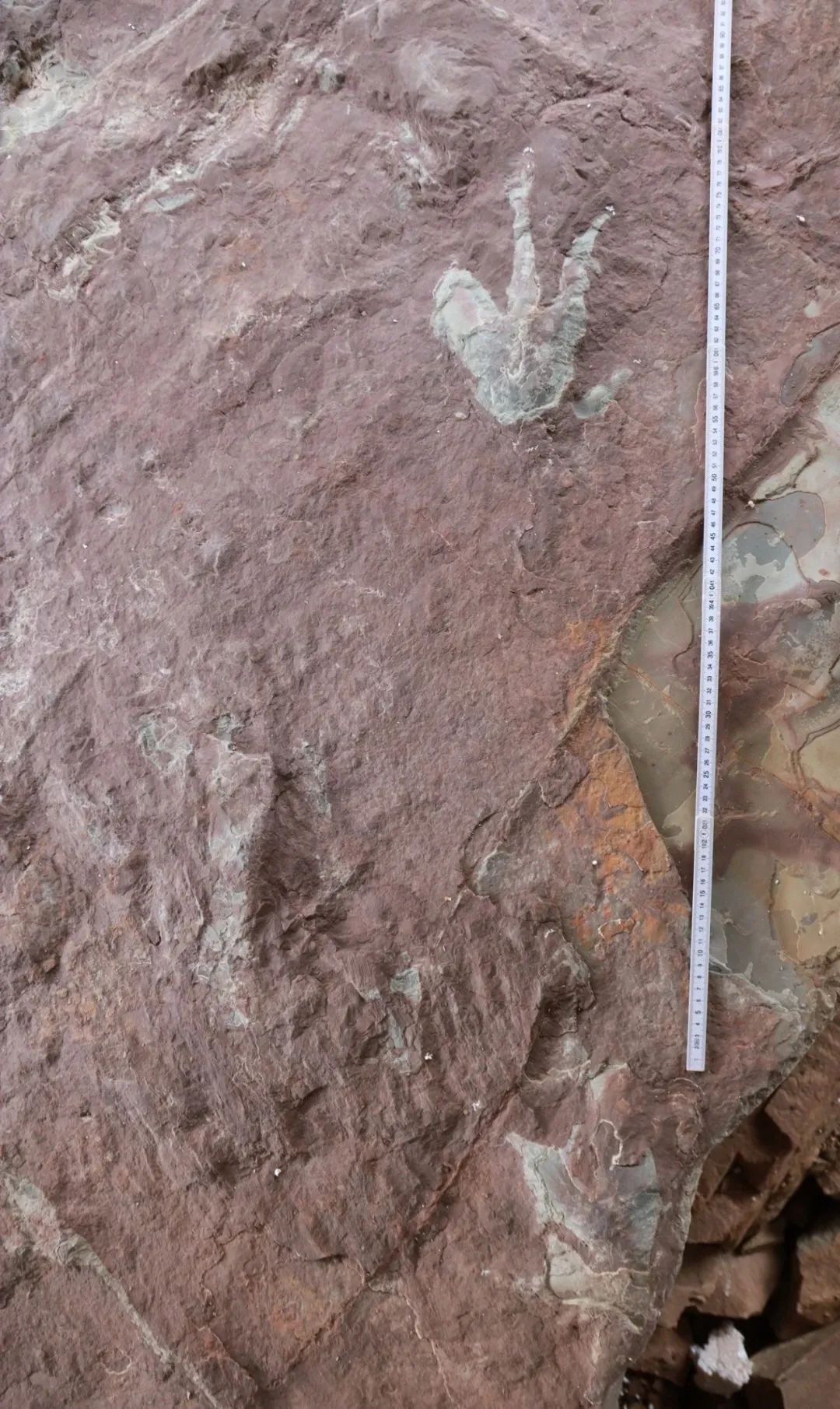
Scientists have confirmed the discovery of theropod dinosaur footprints in the Guangxi Zhuang autonomous region, expanding China's known dinosaur track distribution to the southern coastal area near the Beibu Gulf.
The footprints were unearthed in Nanmushan village, Dongxing city, by a joint research team from the China University of Geosciences and the Guangxi Museum of Natural History.
"The discovery is key to understanding the spread of Jurassic dinosaurs in southern China," said Mo Jinyou, a researcher at the museum.
Seven footprints were found embedded in a 4-square-meter slab of rock at the site in 2021. After analysis, the researchers identified two distinct types of tracks.
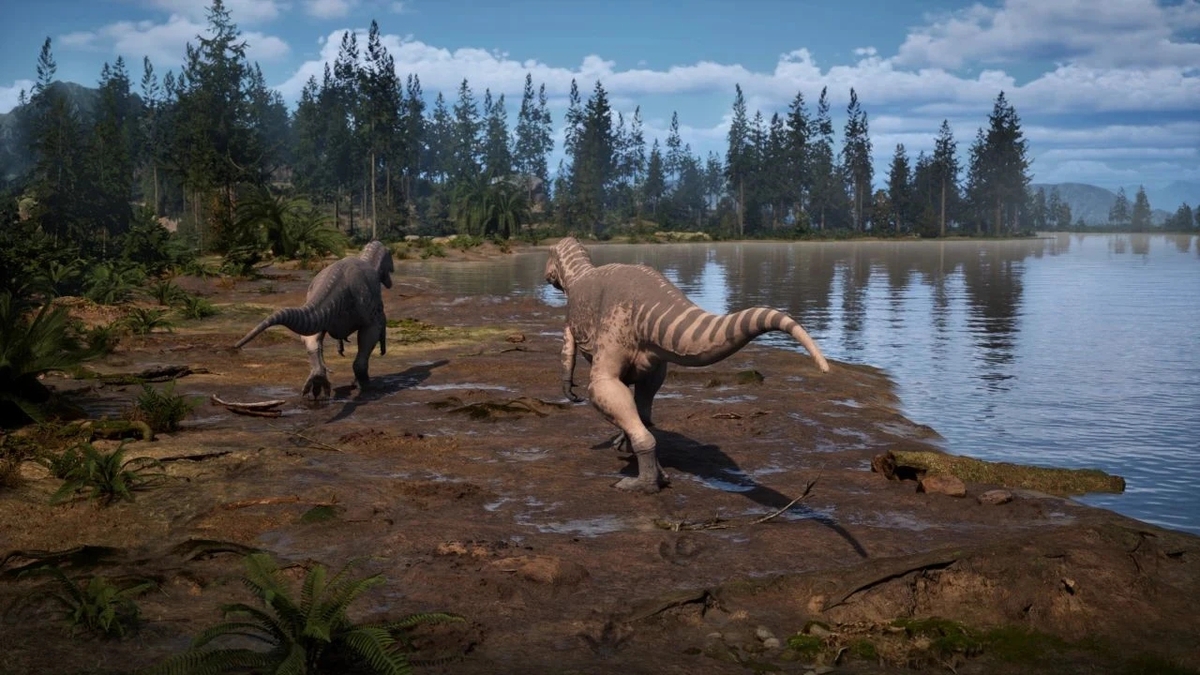
The better-preserved "Type A" prints show classic features of bipedal, three-toed carnivorous theropods. The larger, less distinct "Type B" tracks are believed to have been left by a dinosaur over six meters long, possibly an allosaur or megalosaur.
The team also reviewed tetrapod fossil records in Guangxi's Jurassic-Cretaceous strata, identifying 14 fossil sites.
Guangxi is regarded as a "natural laboratory" for paleontological and stratigraphic research in southern China.


- Jingdezhen porcelain sites added to World Heritage List
- China sends work team to guide relief efforts following flash flood in Gansu
- White paper highlights rapid global growth of agricultural drones
- Flash flood leaves 10 dead, 23 injured in Gansu
- Global forest cover is shrinking — so why are China's forests growing?
- PLA conducts routine patrol in the South China Sea





