



Psychological parameters of peak performance
From helpful habits to how to cope with failure and enjoy the experience of competing









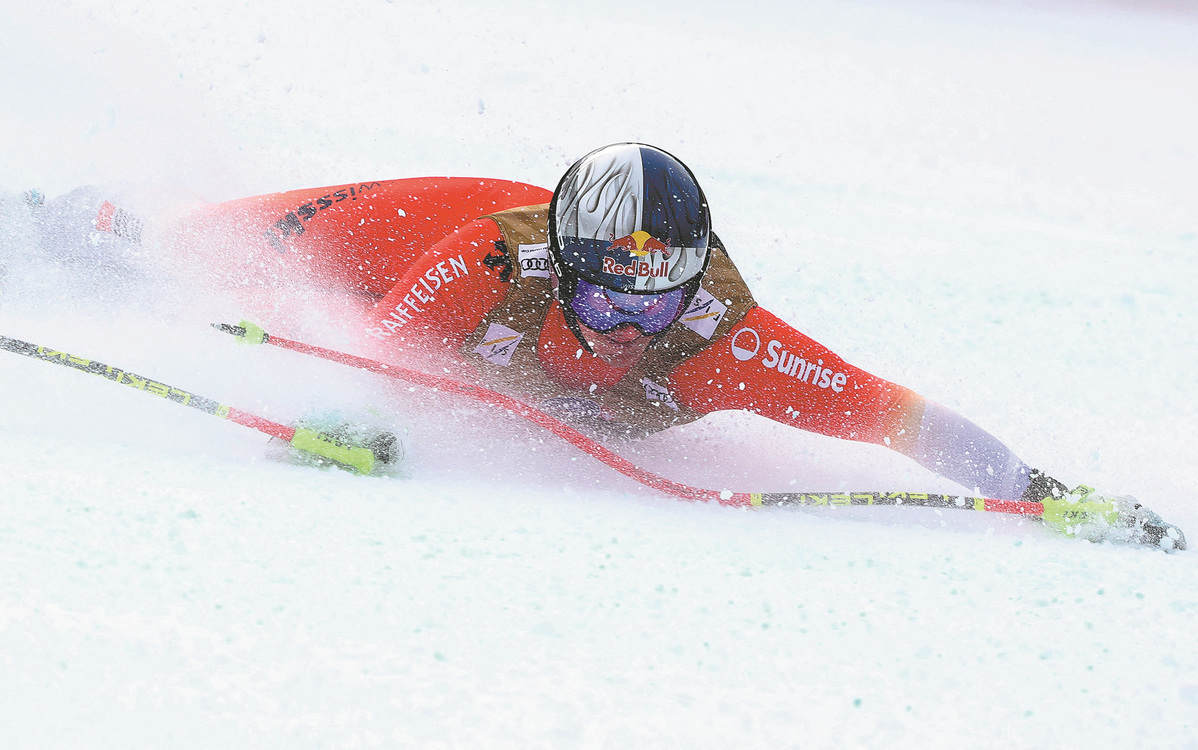
If winning gold medals were the only standard, almost all Olympic athletes would be considered failures.
A clinical psychologist with the United States Olympic and Paralympic Committee, Emily Clark's job when the Winter Games open in Italy on Feb 6 is to help athletes interpret what it means to be successful.
Should gold medals be the only measure?
Part of a 15-member staff providing psychological services, Clark nurtures athletes accustomed to triumph but who invariably risk failure.
The staff deals with matters termed "mental health and mental performance".
They include topics such as motivation, anger management, anxiety, eating disorders, family issues, trauma, depression, sleep, handling pressure, travel worries and so forth.
Clark's area includes stress management, the importance of sleep and getting high achievers to perform at their best and avoid the temptation of looking only at results.
"A lot of athletes these days are aware of the mental health component of, not just sport, but of life,"Clark said in an interview with The Associated Press. "This is an area where athletes can develop skills that can extend a career, or make it more enjoyable."


Most Popular
- Djokovic claims 7th China Open men's singles title
- Nation tops Asian Games table for 12th time
- Chinese swimming phenom Yu Zidi named women's MVP at Asian Games
- 20th Asian Games close in Nagoya
- Sailor Bi Kun to carry China's flag at Asiad closing ceremony
- China claims first men's football medal in 28 years