



Weather modifiers making Wuwei wetter, wealthier









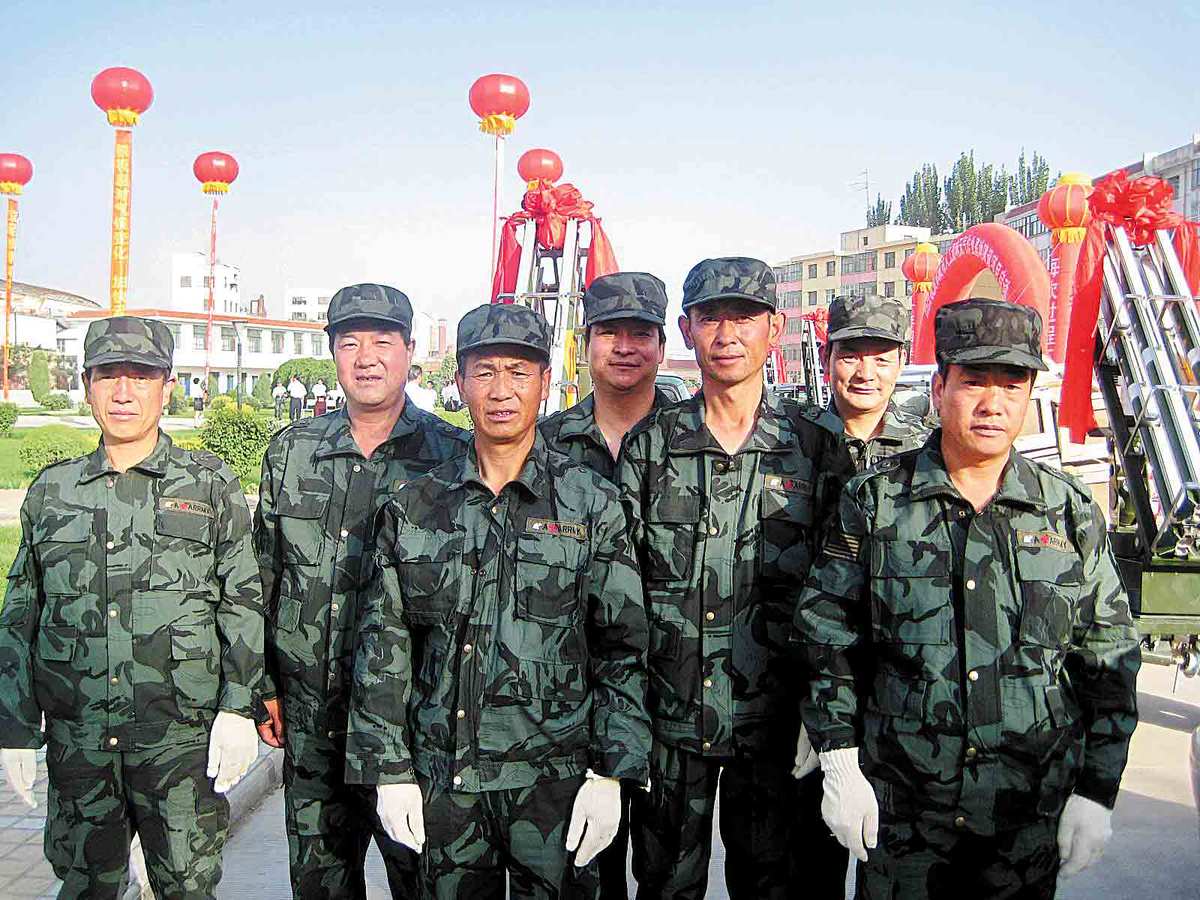
Yan first began working at a meteorological station when he was 17 years old. After three years, he was sent to Dachaigou town to suppress hail using cannons and remained there for eight years.
He moved on in 1995, but he continued working until he retired nine years later.
In 2005, Yan's decades of experience in weather modification led to him being asked to return to work and take up a post in Nanying town.
"Nanying is in a complicated location. It needed someone experienced. I recorded the shapes and numbers of clouds every day," Yan said.
Liu Zhaonian, a middle-aged man who, like Yan, doesn't speak much, also worked at the weather modification post for several decades.
"I've been dealing with water all my life-water from the mountains, water from the sky," he said.
Weather modification in Wuwei entered the fast lane after a dedicated office was officially founded in 2010, and fixed bases were built to carry out operations.
Their work was boosted in 2012 when a national program to protect the country's mountains was launched. Wuwei turned to weather modification and artificial precipitation as an important means of boosting water resources, reducing disasters and relieving drought.
"With a focus on protecting the environment of the Qilian Mountains, we built 72 fixed weather modification stations, including 45 rocket launching stations and 14 artillery stations," said Chen Lei, director of the Wuwei Meteorological Bureau.


- Armed police rush to mudslide-hit area in Xizang
- China boosts meteorological response after Nepal mudslide hits Gyirong Port
- 3 killed, 558 missing after mudslide hits border port in Xizang
- China hosts national symposium to advance ecological civilization and green transformation
- Oil city Karamay serves up tennis dreams
- Ministry activates emergency response following deadly mudslide at Gyirong border port





