



Chinese authorities expand health aid program for impoverished people









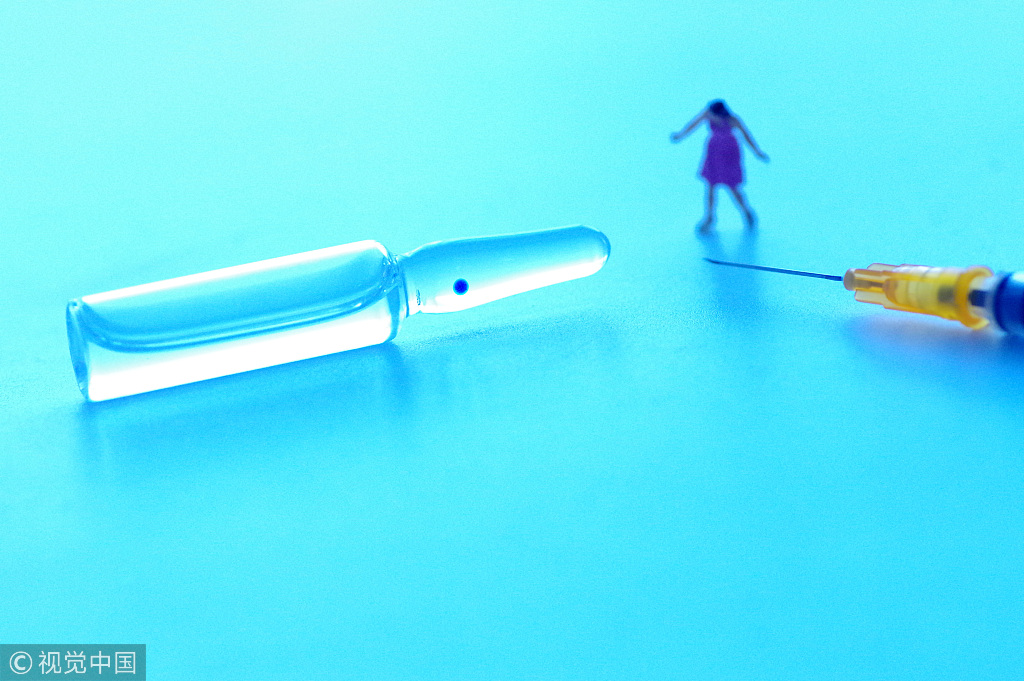
BEIJING -- Chinese authorities will expand a health aid program to help people from impoverished families in rural areas receive treatment for 25 major diseases this year, according to the National Health Commission.
The project, launched in 2017, is intended to reduce the financial burdens of poor households by reimbursing patients for treatment expenses.
The number of reimbursable major diseases has increased from nine in 2017 to 25, including congenital heart diseases in children, gastric cancer and esophageal cancer, according to the commission.
Four diseases, namely multidrug-resistant tuberculosis, cerebral stroke, chronic obstructive emphysema and HIV-related opportunistic infection, have been added to this year's list.
Patients registered by local authorities as impoverished people can go to designated hospitals for diagnosis and treatment, and have their expenses reimbursed.
The commission said the burdens of medical expenses will be alleviated this year, and the practice of "treatment first, payment later" will be promoted.


- Ningxia expands stargazing tourism with cross-regional travel routes
- China records 826 million domestic trips during National Day holiday
- China's railways rack up 302m passenger trips during holiday rush
- Macao sets National Day holiday records for average, single-day arrivals
- Former vice-chairman of Xinjiang regional government prosecuted on bribery counts
- Fishing lights create autumn spectacle on Yunnan's Erhai Lake





