



Fighting a rising tide of pollution in Hong Kong









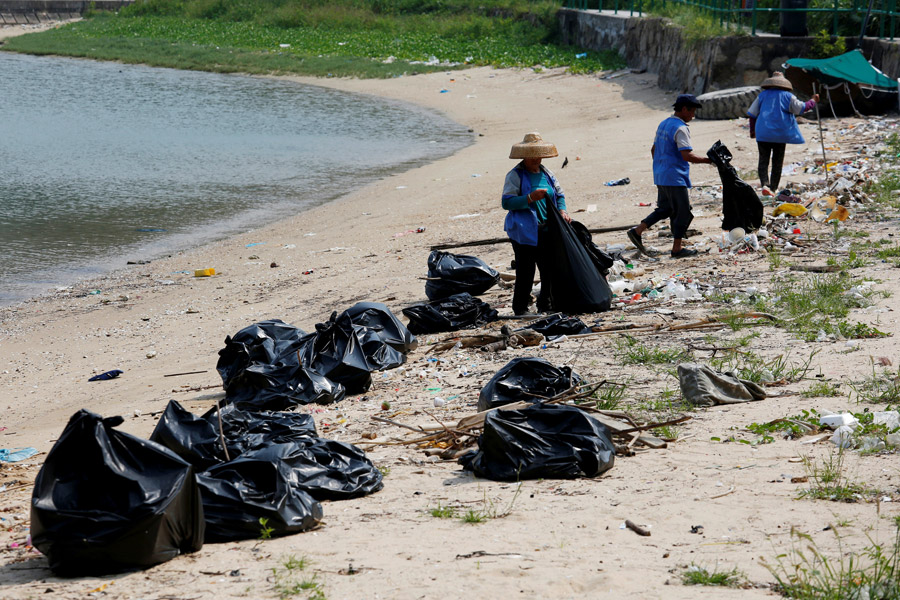
Researchers are working to preserve marine diversity in the city's coastal waters in the face of climate change, toxins and human activity, as Sylvia Chang reports.
It's easy for people in Hong Kong to be complacent - or even a little smug - about the fantastic abundance of marine life in the waters surrounding the city. However, what most people do not see is the frantic juggling act underway to save many of these marine species from extinction. It's a work in progress, focused on scientific, region-specific criteria for every precinct of Hong Kong's marine environment.
More than 6,500 marine species live in Hong Kong's coastal waters. These waters comprise just 1,650 square kilometers, or about 0.03 percent of the nation's coastal waters, yet they are home to 25 percent of all China's marine species.
The diversity of marine life makes Hong Kong special and particularly important among coastal cities anywhere in the world.
Hong Kong also is one of the biggest seaports on the globe. That's where the juggling act starts, because the waters adjacent are polluted by chemicals from nearby industries and even farms. The chemical-based paint on the hulls of vessels, accidents involving ships' cargoes and other misadventures pose direct threats to the city's marine life.
However, behind the concerns about human activity are other vital issues, painted against the broader backdrop of global warming.


- China issues commemorative stamps marking birth centenary of late leader Jiang Zemin
- Xinhua think tank report highlights global significance of China's ecological code
- Rescue efforts underway following deadly landslide in Guangxi
- Tourists find simple pleasures at Xizang post office
- Xi extends condolences to Indonesian president over strong earthquake
- Court applies new environmental code in noise pollution case





