Language evolves on shifting sands
'If I were given only one word to capture Chinese society, guan would be it," wrote translator Eric Abrahamsen in an article in the New York Times.
Guan is a verb meaning to manage or to be in charge of and "the majority of interactions with authority in China are of the kind embodied by the character guan", wrote Abrahamsen.
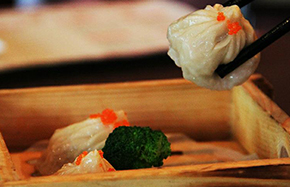
Even if it is justifiable to represent a society as diverse as China's with a single character, there is bound to be debate over what that character should be. I would suggest for instance, the character chi, to eat, is just as telling of Chinese society. People used to greet each other with "chi le ma?" "have you eaten?". People meddling in other people's business are simply chibao le chengde, those who "have too much in their belly". Popular jobs are chixiang, those that "taste delicious". If someone takes advantage of you, you "eat the lesser portion", chikui. This emphasis on eating, of course, had to do with our subsistence economy in which the struggle for food had priority over everything else.