



China launches four experimental satellites









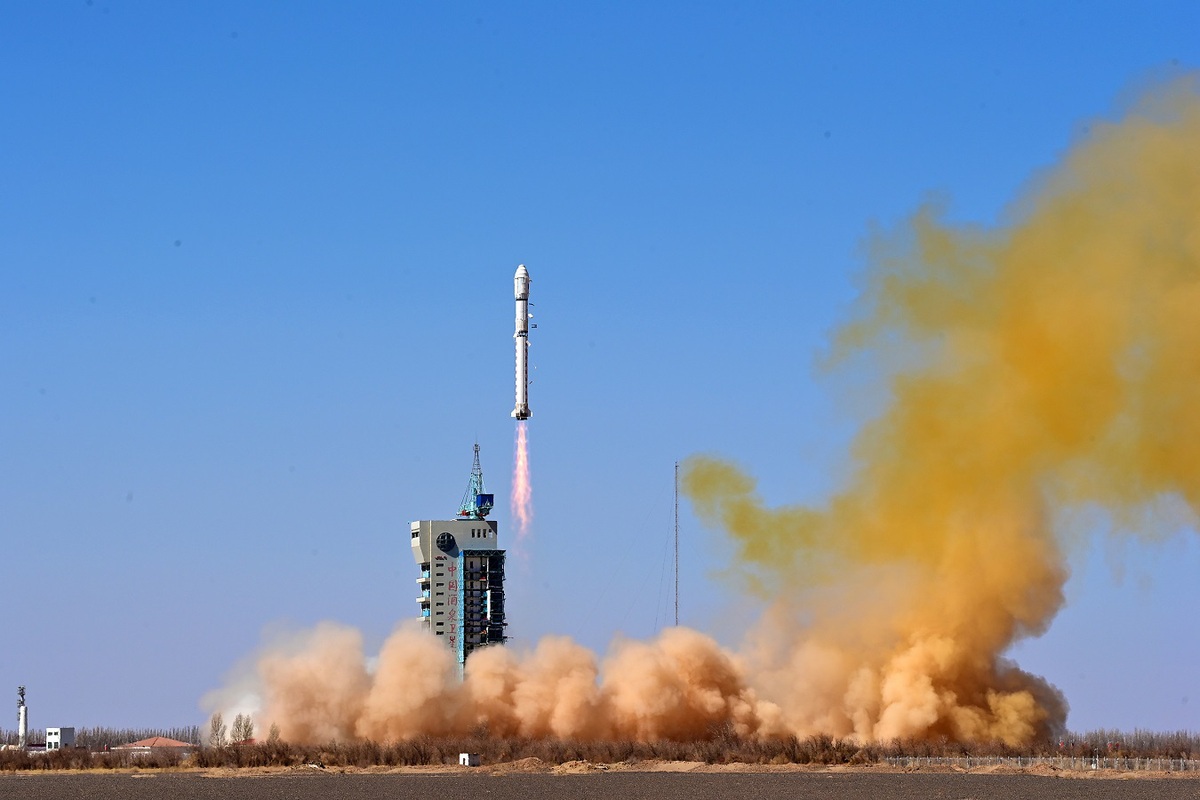
China launched four experimental satellites into space on Saturday, the China Aerospace Science and Technology Corp said.
The satellites, part of the Space-based Internet Technology Demonstrator series, were developed by Beijing-based GalaxySpace and Changchun-based Changguang Satellite Technology.
A Long March 2D rocket carried the satellites into orbit after lifting off at noon from the Jiuquan Satellite Launch Center in northwestern China's Gobi Desert, the state-owned contractor said.
The satellites will test technologies that allow mobile phones to connect with satellites and integrate ground- and space-based internet networks.
GalaxySpace said its two satellites were built at a smart satellite plant in Nantong, Jiangsu province. The company said it has built and launched more than 20 satellites, including China's first plate-shaped satellites equipped with flexible solar arrays.
The Long March 2D rocket, designed by the Shanghai Academy of Spaceflight Technology, runs on liquid propellants and has a liftoff thrust of 300 metric tons. It can carry a 1.3-ton spacecraft into a sun-synchronous orbit at an altitude of 700 kilometers.
Saturday's launch was China's 17th space launch this year and the 567th flight of the Long March rocket series.


- Meet the only female competitor in Wall and Floor Tiling event
- Xiangxi: Where history echoes and renewal rises
- Xi's key moments during his US visit
- Dazzling performances spark new interest for spectators at WorldSkills Shanghai
- Countdown to Nishan forum: A bronze symbol of order
- Going for gold at WorldSkills competition





