



Medical reform in China eases financial burdens for patients









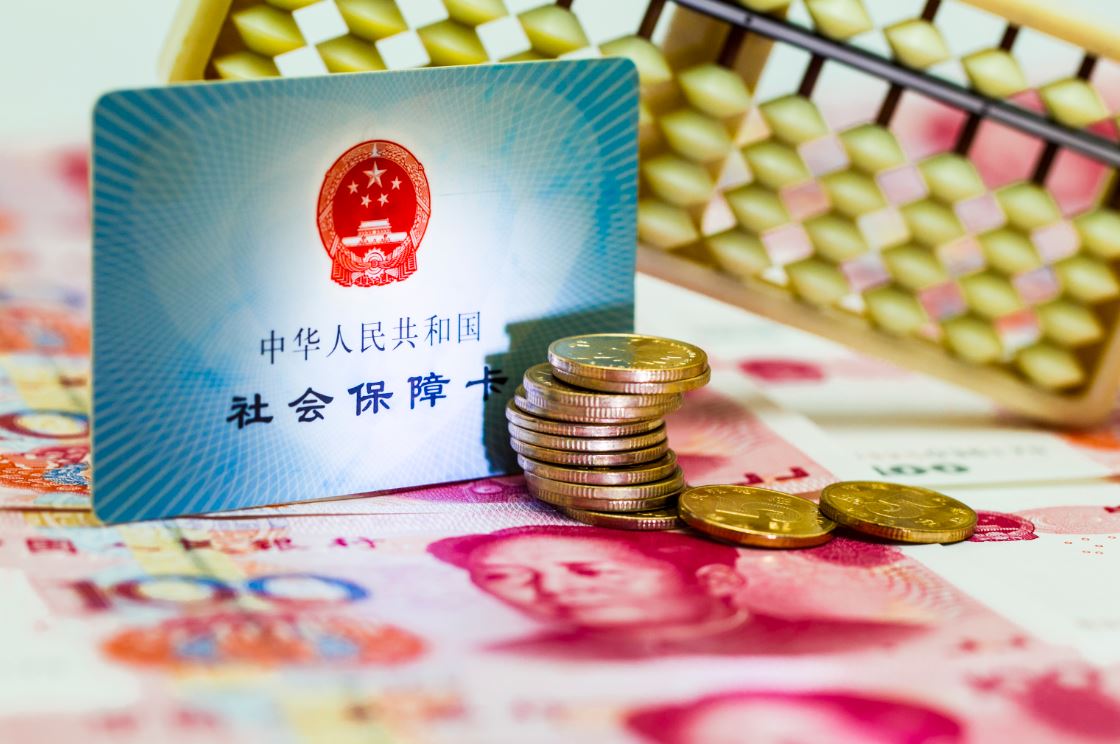
BEIJING -- China's medical reform in the past ten years has significantly eased the financial burdens for patients, according to the National Health Commission.
At a Friday press conference, the commission said that as the country's medical and healthcare system reform proceeds, the percentage of personal expenditure in China's total medical and healthcare expenditure has dropped from 34.3 percent in 2012 to 27.7 percent today.
To increase people's access to quality and reasonably-priced medical services, the country has taken a number of measures. For instance, the country has carried out several centralized bulk-buying programs for drugs and high-value medical consumables.
The programs have successfully brought down medical costs for patients and have so far helped save about 300 billion yuan ($44.43 billion) in medical insurance costs and patients' expenditures.


- Typhoon hits Hainan, triggers evacuations
- Skills contest showcases China's achievements
- Popular tea chain fined $1.5m for trademark infringement
- Nation launches 16th scientific expedition to the Arctic
- Yunnan train accident that killed 11 was a major railway traffic liability incident, report says
- China issues plan to build Beautiful China from 2026 to 2030





