



Discovery confirmed as ancient facial cream










After undergoing years of complex analysis of a substance found in the grave of a Chinese nobleman from the Spring and Autumn Period (770-476 BC) in Shaanxi province has been identified as a likely cosmetic for men.
The cosmetic adds a significant new piece to the puzzle of early human activity, experts said.
Archaeologists found 6 grams of residue in a tiny copper jar excavated from the grave at the Liujiawa historic site in Chengcheng county of Weinan, Shaanxi, in 2017. After several years of complex experimental analysis on its components, researchers confirmed the residue as tallow mixed with particles of calcium carbonate monohydrate, a whitening cosmetic product, Han Bin of the University of the Chinese Academy of Sciences, and a member of the research team, told media in February.
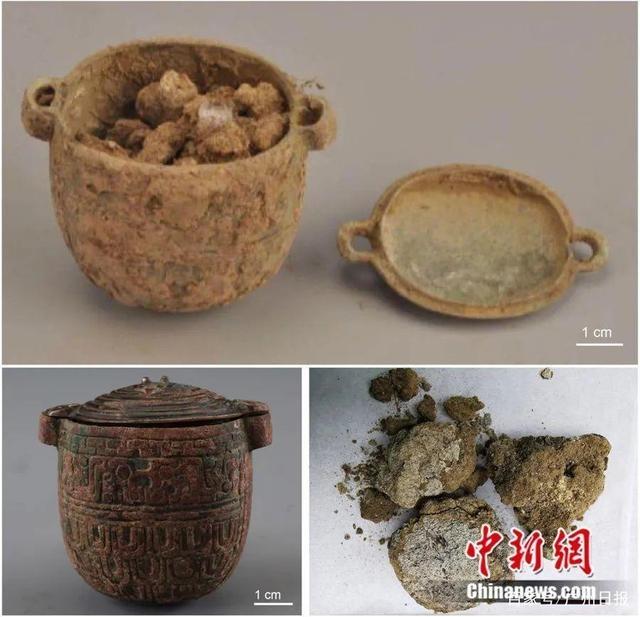
The material is also the oldest cosmetic for males discovered in China so far, he said, adding that it proves tallow-based nourishing facial cream was made and used as early as Eastern Zhou Dynasty (770-256 BC), more than 1,000 years earlier than previous written records.
Yang Yimin, another researcher from the university, said he hoped the discovery would inspire more archaeologists to study residues found in ancient containers and fill in more blanks in research about the origin and early development of the Chinese cosmetics industry.
The research findings were published in the journal Archaeometry.


- Bridging Wuxi and Silicon Valley through global robotics research
- Police perform outreach to educate international students about exit-entry laws in Shanxi
- Beijing vice-mayor Xia Linmao under investigation
- National agricultural products conference opens in Linyi, Shandong
- Intl media tour participants learn about traditional Chinese culture in Zhuhai
- 66 finalist teams compete in AI-assisted medical image recognition in Guangxi





