



China to conduct water, biodiversity research under climate change in Pan-Third Pole









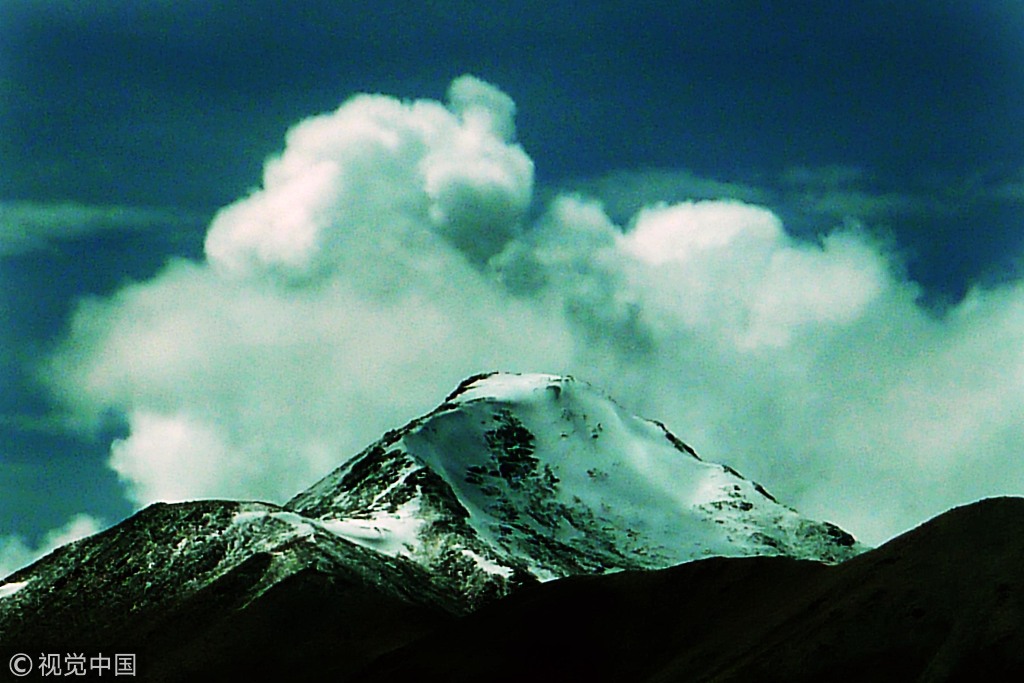
BEIJING -- Chinese research institutions launched a project to conduct water and biodiversity research under climate change in the Pan-Third Pole, according to Chinese Science Daily on Wednesday.
The project, featuring 16 institutions, will study the mechanism between water, typical ecosystems and climate change, as well as conduct continuous monitoring and evaluation research on water and biodiversity.
Researchers will work together to find the reasons behind and solutions to the degradation of the alpine grassland ecosystem of the Qinghai-Tibet Plateau, the slower growth of the artificial breeding yaks and the influence of glacial recession on the plateau's aquatic organisms.
Extended westward and northward from the Third Pole, the 20 million kilometer Pan-Third Pole encompasses the Eurasian highlands, according to the Institute of Tibetan Plateau Research of Chinese Academy of Sciences.
The researchers will establish a water and biodiversity database for the countries along the Silk Road to provide theoretical support and management strategies for pushing forward the ecological protection of the Qinghai-Tibet Plateau, the newspaper said.
The project is affiliated with a Strategic Priority A Program of the Pan-Third Pole Environment Study for a Green Silk Road which was launched by CAS in 2018. The program is designed to integrate basic science, applied studies, technology innovation and policy-advising.


- Relief efforts intensify after Xizang quake kills 16, injures 76
- Rescue and relief efforts underway after quake kills 16, injures 76 in Xizang
- Caribbean content creators explore Linyi's markets
- 62 countries and intl organizations participated—What issues did the forum address?
- Thai bloggers love Shangri-La's traditional banquet
- Qilihai Wetland sees peak autumn bird migration





