



Historic tree, agritourism, crafts boost quake-hit Sichuan villages









Villages hit hard during the 2008 magnitude 8 earthquake in Southwest China’s Sichuan province find ways to recover from the disaster and improve local lives by developing the rural economy.
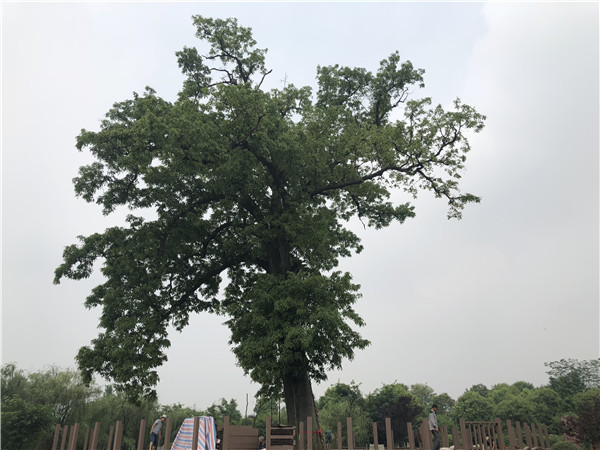
Rural tourism centered on historic tree
Hongdou village is one of the areas bouncing back through development, as 90 percent of it was ruined in the powerful earthquake on May 12, 2008. The village is located at Shigu town in Shifang city, which took a direct economic loss of 88.9 billion yuan ($20 billion) and was one of 10 cities with the most severe destruction resulting from the disaster.
The village gets its name from a venerable Ormosia hosiei, a tree known in Chinese as the hongdou, which has grown there for more than 1,200 years. It’s worth noting that in the ancient Chinese tradition, the red beans produced as fruit by Ormosia hosiei trees were often exchanged between lovers to show how much they missed each other.
Based on the historic and romantic tree, the village has begun to develop wedding-related tourism as part of its recovery.
In September 2010, the village witnessed a group wedding of 99 pairs of newlyweds. Some participants reportedly felt it was meaningful to get married in front of the over 1,000-year-old tree.
"At present, there is a wedding photography base in the village. And four households in the village run wedding planning companies. Besides, there are also some restaurants," said Sun Xiaoyun, deputy Party Secretary of Shigu town.
Sun said: "The village’s annual per capita income was 17,231 yuan in 2016."


- FAST celebrates a decade of achievements
- URKL robot combat city tour debuts in Shanghai's Baoshan district
- Flowers all the way from the US
- China issues revised regulations on implementation of audit law
- Hainan Normal University launches International Academy of Fine Arts
- China launches remote sensing satellite group





