



Beidou positioned to provide global coverage









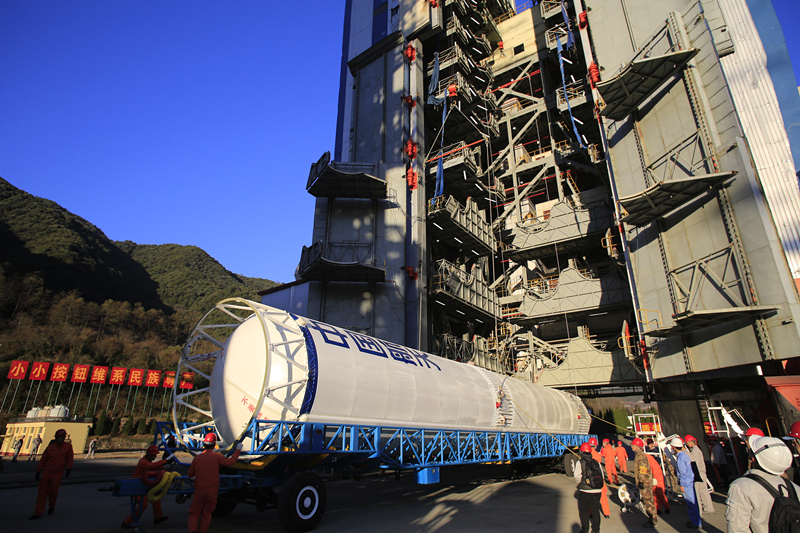
They have conducted more than 400 technical modifications, which means each Long March 3 has undergone an average of 28 modifications, he added.
In all, scientists and engineers, plus technicians and related staff members at numerous institutes and factories, including the Xichang Satellite Launch Center, have made great contributions to the Beidou program.
Guo Xinyu, a technician at the China Academy of Space Technology who is in charge of fueling the satellites, said almost all the technicians involved have respiratory problems because undertaking such hazardous work for long periods inevitably results in exposure to toxic propellants.
However, no one in the team has expressed reluctance or complained, he added.
He noted that the two most experienced technicians, Bai Kunshun and Zhao Zhenping, still take part in fueling operations and spend several months every year at launch centers, even though they are both in their 60s.
Wu Yong, head of a team of assembly technicians at the China Academy of Launch Vehicle Technology, said all the members of his crew work many hours of overtime every year to meet the tight production schedules, and it is common for them to spend weekends or vacation time at work.
"But many have told me they are proud of their work because what they do helps the country to launch Beidou satellites, which benefits the people," he said.
Civilian users
Since 2000, when the first Beidou satellite was placed in orbit, 33 satellites have been launched for the network.


- Meet the only female competitor in Wall and Floor Tiling event
- Xiangxi: Where history echoes and renewal rises
- Xi's key moments during his US visit
- Dazzling performances spark new interest for spectators at WorldSkills Shanghai
- Countdown to Nishan forum: A bronze symbol of order
- Going for gold at WorldSkills competition





