

President Xi Jinping urged the United States to look at China's development positively during a meeting with US Secretary of State Antony Blinken in Beijing on Friday.

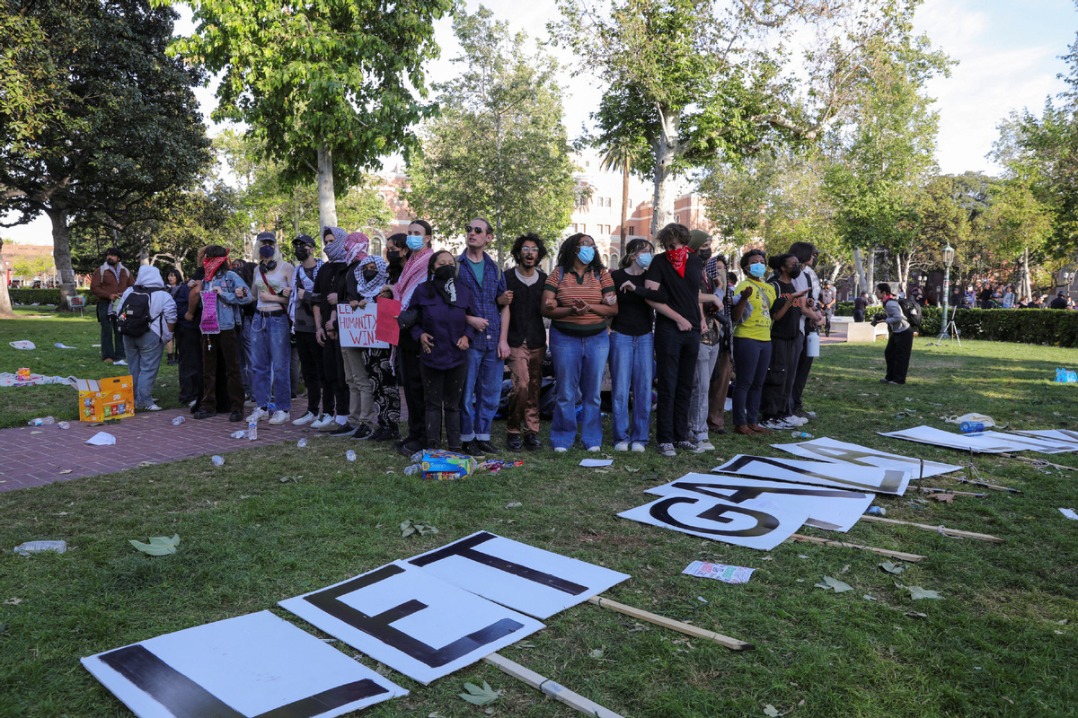 US campus protests of Gaza war lead to hundreds of arrests
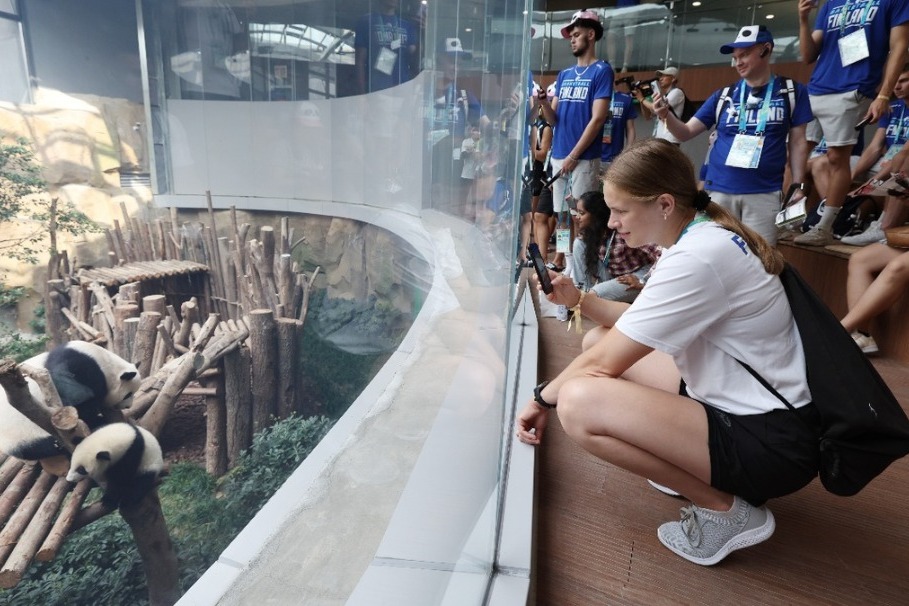
 Pandas headed for Madrid in sign of bilateral friendship




 Yan's vlog: Chinese filmmakers set for a new dawn
 Dance drama celebrates renowned architect Lin Huiyin
 Reality show turns young artists into influential agri-preneurs



























 京公网安备 11010502032503号


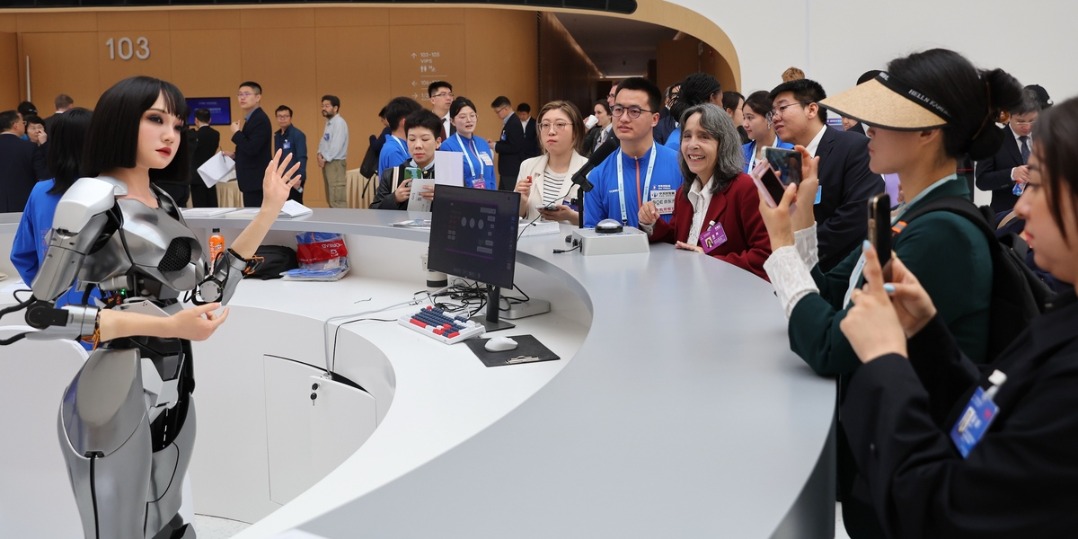



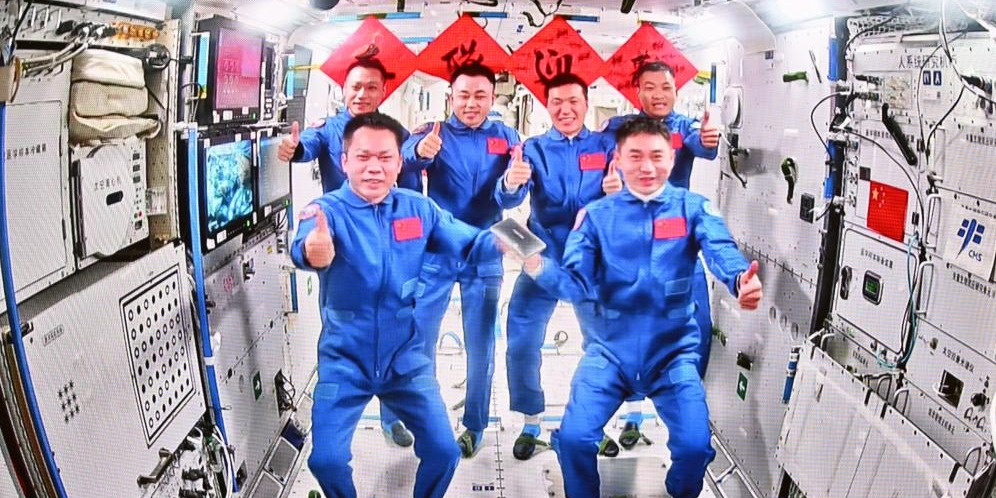
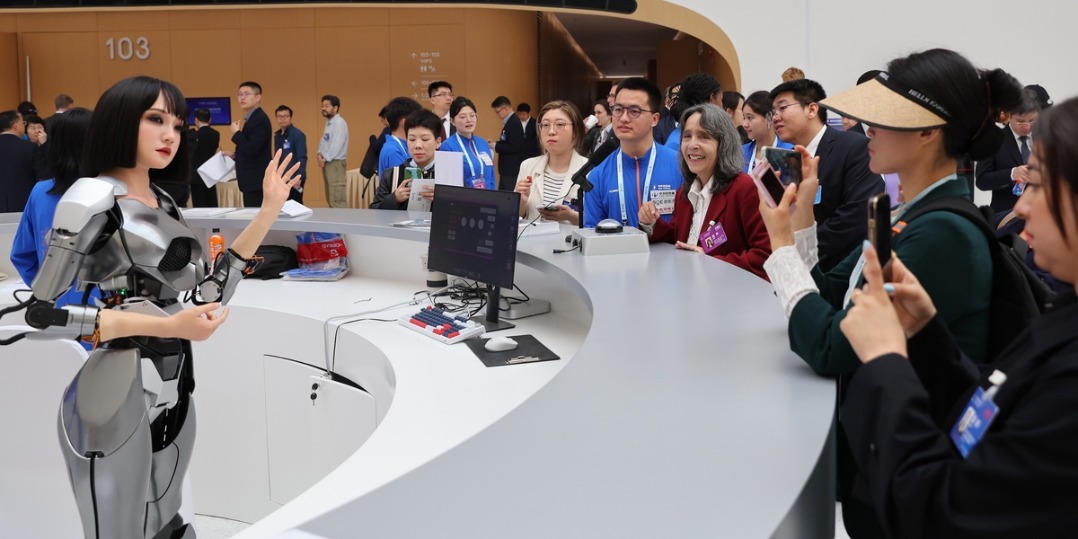


 Greater efforts urged on sci-tech cooperation
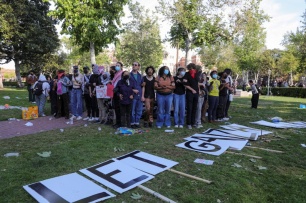 US campus protests of Gaza war lead to hundreds of arrests
 Pandas headed for Madrid in sign of bilateral friendship
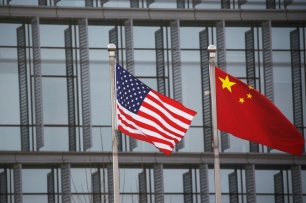 'Supply chain diplomacy' suggested for US, China










 France's Macron calls for credible defense of Europe
 Pakistan seeks reset of ties in the Middle East