



Beijing adjusts elderly care models to suit new preferences









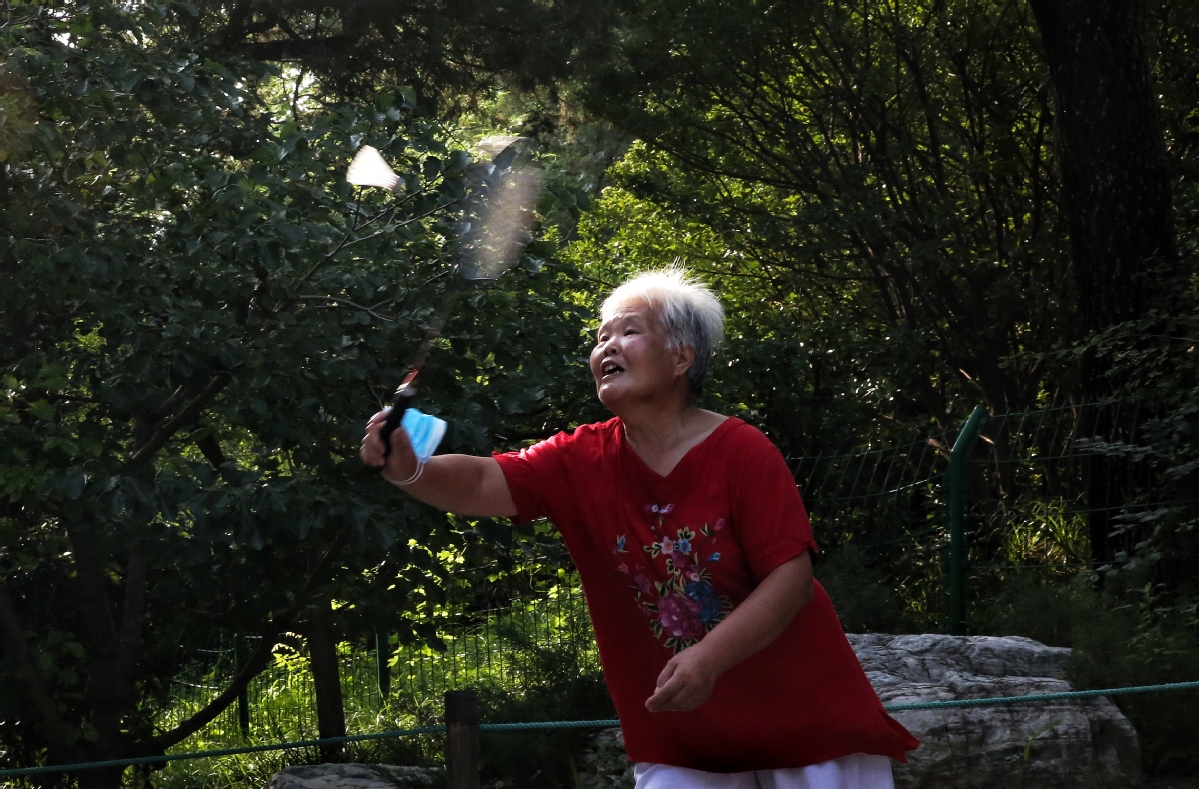
A recent survey revealed 99 percent of elderly in Beijing polled prefer home-based care and less than one percent would opt for institutional care, a Beijing civil affairs official said.
This is a significant change in the previously established "90-6-4" elderly care service model introduced in 2008, which means 90 percent of seniors at home, six percent in community facilities and four percent in elderly care institutions, Beijing Daily reported.
Guo Hanqiao, deputy director of the Beijing Municipal Civil Affairs Bureau, said the office's focus has gradually shifted toward home-based care.
Beijing has approximately 4.65 million elderly permanent residents, accounting for 21.3 percent of the total population. Among the 4.14 million with a local residence permit, 998,600 require specialized care for severe physical and mental disability, are 80 or older or part of "special families" — bereaved parents who lost their only child.
To respond to the change in preferences, Beijing has piloted a home-based model at some neighborhoods like Guang'anmen Inner Street and is expected to scale up throughout the capital.
"Next, we will expand this model to more areas. This year, all core urban regions, about 50 to 60 streets, will be covered. It will also provide replicable experiences for the city and the nation," Guo added.


- Two-vehicle collision kills 2 and injures 4
- Ningxia launches interactive game to promote wine culture
- ADASpace expands space computing constellation with new satellite launch
- Ex-Hunan legislature vice-chairman faces bribery charges
- China launches nationwide inspection campaign to curb unlawful administrative practices
- Former science center head expelled from Party, office





