



Low diversity may have led to dinosaur extinction









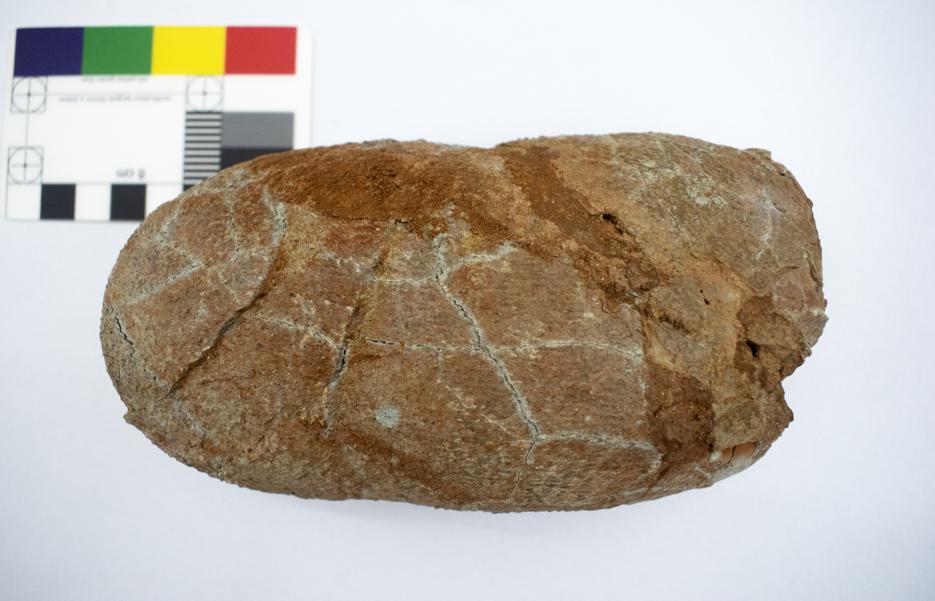
The extinction of dinosaurs may be attributed in part to reduced biological diversity, according to recent research.
The cause of dinosaur extinction 66 million years ago has long been a subject of debate in the scientific community. An asteroid collision with Earth and large volcanic eruptions are the most common views.
Recently, a research team offered a new explanation after studying dinosaur eggs and eggshell fossils excavated from red sandstone in the Shanyang basin of Shangluo, Shaanxi province, over the past seven years.
Scientists collected about 1,000 samples and found that most of the eggs' mothers were of two types — Oviraptorosauria and Hadrosauridae — which matched dinosaur bone fossils excavated there. The fossils date to about 68 million to 66 million years ago.
The hypothesis means that biodiversity of the species was at a low level 2 million years before extinction, experts said.


- Experts warn of geohazard risks following 7.0-magnitude quake in Xizang
- Ginkgo Culture Festival opens at Liaodong University in Liaoning
- Greater Bay Area Science Forum opens Saturday across six cities
- Zalan Zsolt recognized for two decades of China-Hungary food science collaboration
- Dropping off worries in Shanghai
- 57-year-old patient with end-stage heart failure receives Rocket Heart





