



Study of origin of COVID-19 calls for international collaboration, not blame









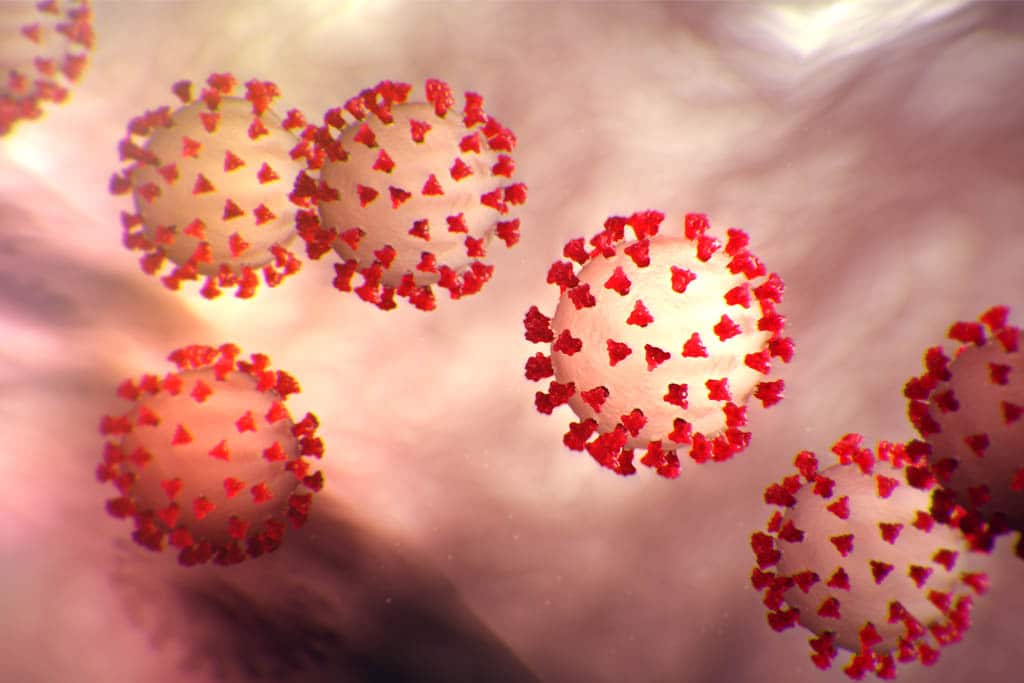
Investigating the origin of SARS-CoV-2 requires international collaboration because it is an extremely important scientific question that will help humanity prepare for emerging coronavirus-related diseases in the future, Gao Fu, director-general of the Chinese Center for Disease Control and Prevention, said on Tuesday.
"A major characteristic of the coronavirus is that it is very good at recombination, which allows two closely related viruses to mix and match their genomes and create a new one," he said, adding scientists have discovered seven coronaviruses capable of infecting humans since 1965.
A key moment in the study of human coronavirus occurred in 2004, when scientists from Hong Kong reported finding a new virus called HCoV-HKU1. However, Brazilian experts later discovered that samples they collected in 1995, which were sitting in their lab's freezer for years, also had traces of HCoV-HKU1, meaning that this virus has been covertly circulating in the world for years.
"Given how human coronaviruses are so adapted at infecting humans, we expect there will be more of its kind in the future that can cause an outbreak, " he said. "It is all the more reason why people should not cast blame onto others and politicize the investigation of the virus's origin."





