



Ranger relishes riverbed's wetland transformation









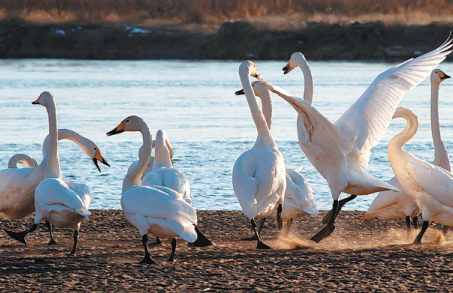
Overgrazing, deforestation, garbage dumping and illegal sand mining further damaged the area's fragile ecosystem, causing severe salinization.
"At the time, the wetland was covered by white salt crust and often hit by sandstorms," Wang said.
Alarmed by the worsening environment, the local government launched a spate of restoration projects in 2010, replenishing water resources, planting trees, banning grazing and turning farmland back to wetland.
The area was designated as a national-level wetland nature reserve in 2011, which further boosted the local ecological restoration efforts.
Wang was offered the job of full-time ranger in the reserve by local officials after he sold all his 200 sheep in response to the call for better wetland protection.
"The job eased all my worries about how I would make a living without my sheep," he said.


- Top court warns against tomb raiding inspired by fiction
- SCO members hold joint counterterrorism drills in Belarus
- China unveils delegation kits for 2026 Asian Para Games
- Peng Liyuan urges global push for women's digital education
- Tibetan postman delivers Long March spirit across grasslands
- Saga of life in the Himalayas: Within the cradle





