



Report offers insight into China's COVID-19 response









Mao Yonghui, a senior kidney doctor at Beijing Hospital who was tasked of treating severe patients in Wuhan, said most doubts can be addressed if foreign politicians and media have a basic understanding of the monumental endeavor the whole nation made to contain the virus.
Mao said when her medical team arrived in Wuhan on Feb 7, the medical system in the city was overwhelmed, "the hospitals were overcrowded, the staff were overworked, and there were not enough testing kits," she said.
"Given how unpredictable and ferocious the novel coronavirus is, keeping data, especially during the early days of the outbreak, is a daunting task for any country, and reporting errors are inevitable."
After 42,000 medical workers and medical supplies poured into the city, "records kept since our arrival are meticulous and thorough, because we had the manpower and resources to do so," Mao said.
"China updating its figures to present a more accurate picture is an act of honesty and responsibility that should be recognized and emulated," she said. "The action should not be taken out of context to smear the authenticity of China's data," she added.
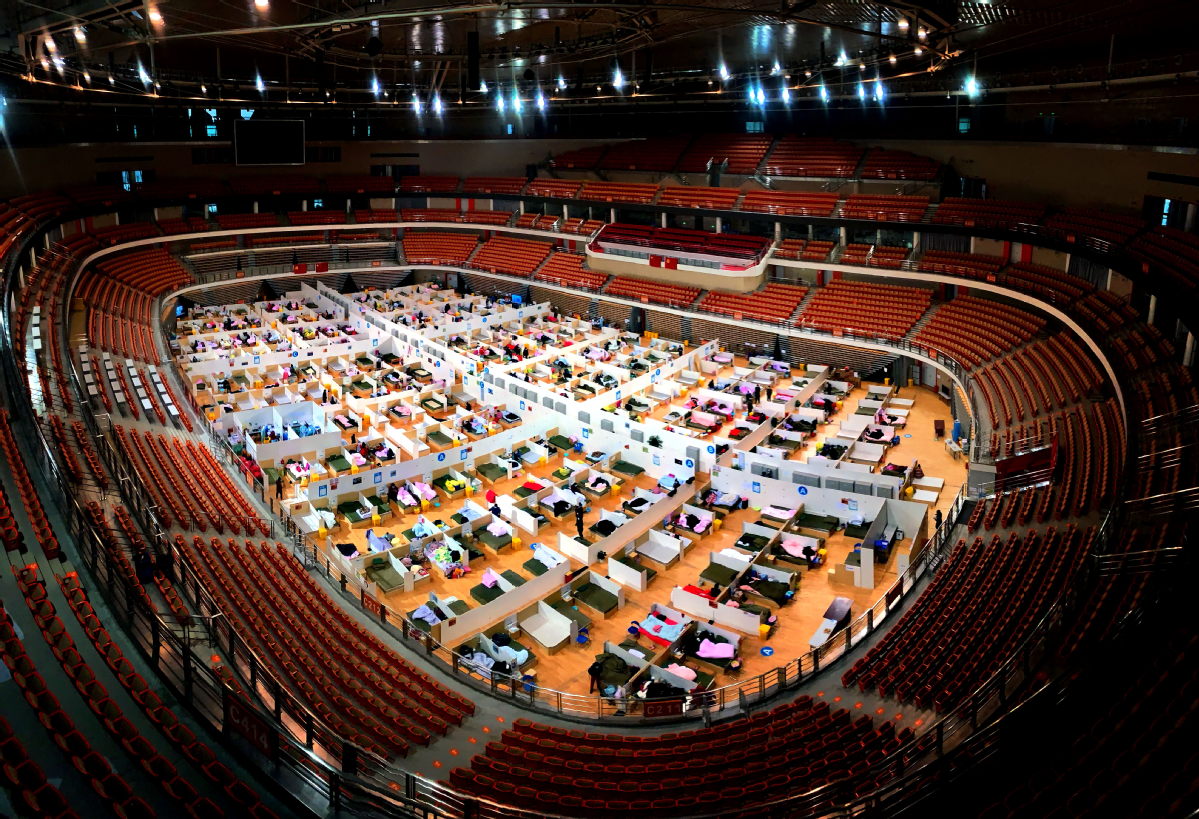
Chen Jianguo, president of Tongji Medical College in Wuhan, said the key to China's success are strict quarantine, building makeshift hospitals, and unwavering logistical support from the government.
"Reality has proven that China's methods and systems work," he said.


- Anhui Medical University celebrates centennial milestone
- Capital Airlines resumes Qingdao-Vancouver direct flights
- World's tallest tower for gauging wind completed
- Heritage plan stresses digital tech, cooperation
- Shanghai airport opens exhibition of Asia's largest fin whale skeleton
- China's railway passenger trips hit record single-day high





