



Research provides insight into primate ovarian aging









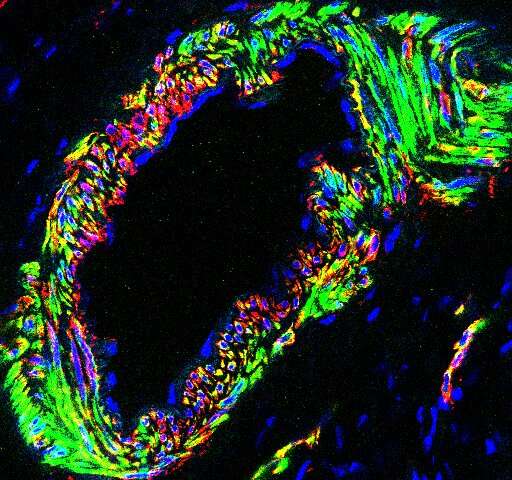
BEIJING - Researchers from China and the United States have mapped a single-cell transcriptomic atlas of primate ovarian aging, providing a reference for the development of interventions against human ovarian aging and associated diseases.
Ovarian aging may influence women's reproductive health and lead to other possible diseases such as cardiovascular diseases. However, it is difficult to accurately reveal the molecular mechanisms of human ovarian aging, which restricts the development of intervention methods for ovarian aging and related diseases.
Researchers from the Institute of Zoology under the Chinese Academy of Sciences, Peking University, Salk Institute for Biological Studies as well as other institutions used single-cell transcriptome sequencing technology and drew a comprehensive aging roadmap of cynomolgus monkey ovaries at the single-cell resolution.
Through the bioinformatic analyses of the single-cell transcriptomic data of ovarian tissues from monkeys and the experimental validation in human ovarian cells, they identified the disturbance of antioxidant signaling as a main feature of primate ovarian aging.
The research also revealed several genes that could be used as aging biomarkers.
According to Liu Guanghui, one of the researchers, the research provides therapeutic targets for ovarian aging and new biological markers for early warnings of female infertility.
It lays a theoretical foundation for formulating intervention strategies to delay ovarian aging and related diseases, Liu said.
The research was published in the journal Cell.





