



Mega water diversion project boon for China with broader spillovers









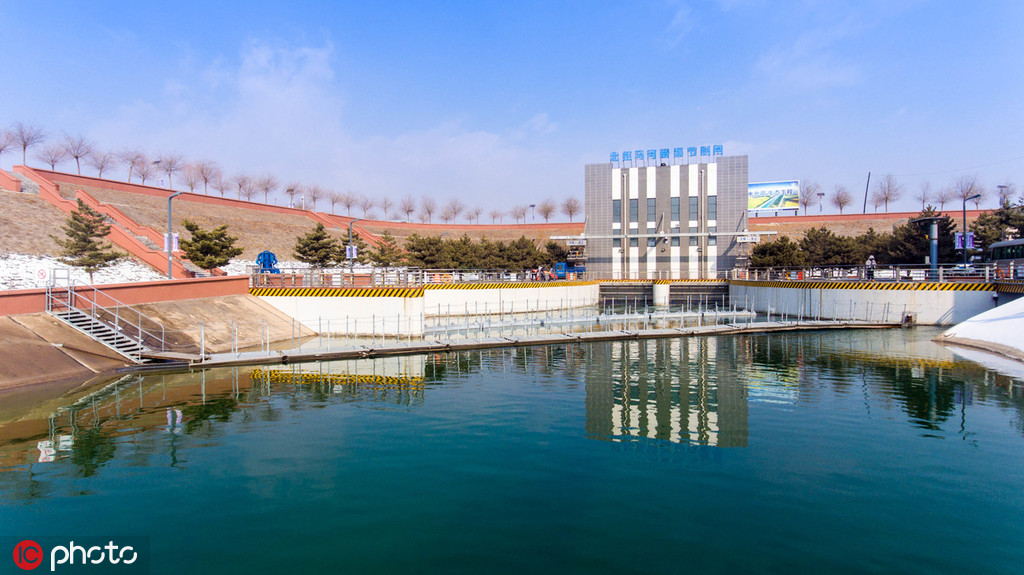
Meanwhile, industries consuming large amounts of energy and causing high pollution and emissions were phased out or restricted in the areas on the receiving end to ensure water safety, which in turn prompted local ecological improvement, according to Jiang.
Improvement in the water environment was obvious, he said, noting that more than 30 rivers along the middle route were replenished and the city lakes and wetlands were expanded.
Most notably, the water level of underground water reserves also increased.
In Beijing, nearly 70 percent of the diverted water has been supplied for waterworks, and the remaining water has been used to replenish groundwater, as well as reservoirs, rivers and lakes.
By the end of October, the average depth of underground water in Beijing's plain areas stood at 22.78 meters, 2.88 meters higher than the average depth of underground water before Beijing started receiving water from the project in late 2014.
Considering China's economy is still powering ahead at a relatively fast rate, water demand is set to rise. Experts have warned that the country would still face an obvious gap between water supply and demand in the long run.
With its western route still in the pre-construction stage, the project will continue to act as an important strategic infrastructure to optimize water resources, boost sustainable economic and social development and improve people's lives.


- Chinese scientists revolutionize carbonylation with zeolite catalysts
- On the Road to Victory
- COP31 urged to develop stratgies for climate finance by 2035
- China: Space war cannot be won and must never be fought
- China's Pinglu Canal opens inland regions to new market possibilities
- Shanghai airports top 2026 AIR rankings





