



China's property reset renews market confidence









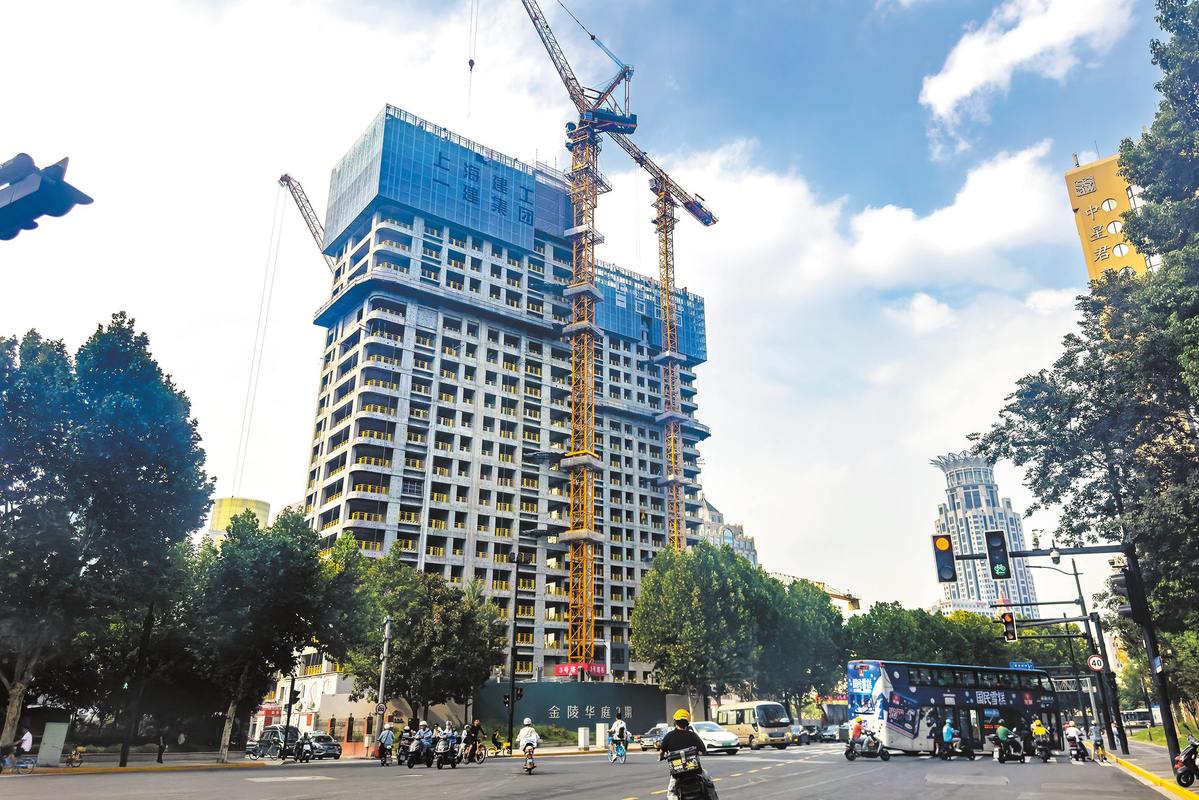
The new real estate and investment policies of China are renewing international confidence in the country. The reforms undertaken by the country in 2025 show a clear commitment to opening the market to responsible global capital and building a more sustainable future for its cities.
China's real estate market is entering a new phase. After several challenging years, signs of stabilization are emerging, and Beijing is taking measured steps to restore confidence. The latest reforms show that the country remains open to responsible, long-term investment.
In September 2025, the State Administration of Foreign Exchange introduced reforms that make it easier for overseas individuals to buy homes in China. Foreign residents can now make deposits directly after signing contracts, and new pilot schemes in Shanghai and Shenzhen are simplifying registration and financing for qualified overseas buyers. These measures remove a key barrier that previously complicated cross-border transactions.
Opportunities are strongest in major cities such as Shanghai, Beijing, Shenzhen and Guangzhou, where demand for quality housing remains solid. The easing of restrictions could support premium and rental segments. In Shanghai, areas such as Pudong and Xuhui continue to attract professionals in finance and technology, while Shenzhen's Nanshan district, home to many of China's leading innovation companies, remains one of the country's most resilient residential markets. Guangzhou's Tianhe and Beijing's Haidian districts are also seeing renewed interest in rental housing as the universities and technology parks there expand.
China's easing efforts extend beyond individual ownership. The expansion of its domestic real estate investment trust market allows investors to participate in housing, logistics and infrastructure through transparent, regulated structures. Since its 2021 launch, the real estate investment trust program has extended to more than 80 listed products, including affordable rental-housing funds in Shenzhen and Xiamen, reflecting China's growing focus on income-generating, professionally managed property assets. Such policies that encourage rental housing, accommodation for senior citizens and urban regeneration align well with global investment trends that favor long-term, stable returns.
Challenges remain, but they are being addressed. In 2024, global uncertainty led to a temporary moderation in foreign investment flows into China. Rebuilding confidence will take time, and consistent communication will be vital. Yet the 2025 Action Plan for Stabilizing Foreign Investment and SAFE's reforms demonstrate that China aims to create a more open and predictable environment for international capital.
Beyond new construction, opportunities lie in urban renewal and green development. Local governments are prioritizing the revitalization of older neighborhoods such as Shanghai's Yangpu district and Beijing's Shougang area, both designated pilot zones for energy-efficient housing and modern urban regeneration. Local governments are inviting experienced international partners to support these goals, combining global expertise with domestic knowledge.
For foreign investors, success in China depends on understanding local regulations and priorities. Projects that align with national objectives, such as affordable housing, sustainability and innovation, will find the most support. Collaboration, rather than speculation, will define the next phase of engagement.
At the same time, regulators can continue to strengthen confidence by keeping procedures simple and transparent. Continued clarity on property rights, tax treatment and foreign exchange will help investors plan with greater certainty.
China's urban story has always been one of transformation. The country has moved from rapid expansion to refinement, from quantity to quality. With an urbanization rate now exceeding 67 percent and continued migration into toptier cities, underlying housing demand remains resilient even as the market adjusts. The current reset reflects this evolution. By welcoming well-managed global investment, China can stabilize its housing market while deepening international partnerships.
These reforms offer a genuine opportunity to strengthen trust between China and the international investment community. With clear policies, responsible investors and a shared commitment to sustainable growth, the reopening of China's housing market can become a foundation for renewed global confidence in the country's economic future.
The author is executive director at Chestertons Global.
The views don't necessarily represent those of China Daily.
If you have a specific expertise, or would like to share your thought about our stories, then send us your writings at opinion@chinadaily.com.cn, and comment@chinadaily.com.cn.





