


Excellence in accessibility to leave lasting legacy









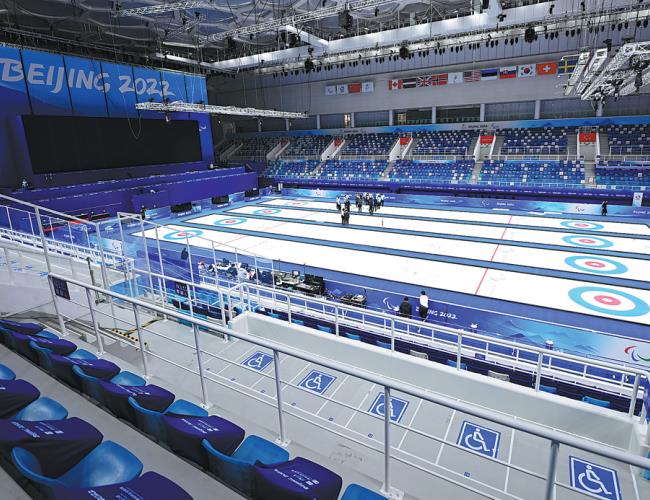
Rodriguez was especially impressed with the organizers' efforts in providing exceptional accessibility for visually impaired athletes.
"A lot of the time we think that accessibility is only about mobility. We tend to forget about things for people with vision impairments to participate as well," added Rodriguez.
"Some of the changes that needed to happen in the (Paralympic) villages, for example, were the better signage BOCOG provided in the dining halls for the athletes to be able to see and select what they needed to eat.
"Another example is the tactile way-finding systems for (vision-impaired athletes) to be able to guide themselves around.
"A lot of the vision-impaired rely on technology. There are apps that support them and although there is a lot of work that still needs to happen in these apps, a lot of people are able to use them to help themselves.
"The best takeaway, and this goes beyond people with a vision impairment, or people with a mobility impairment, is the fact that we need to learn to listen to the needs of people, and from that provide solutions."


Most Popular
- Hunan runner makes history at North Pole marathon
- Xinjiang's Maheshate opens UFC Fight Night Shanghai with a bang
- J-Dub in Shanghai
- South African sprint legend hails record-breaking robot
- The International 2026 captivates global audience
- Torch relay for 2026 Asian Games starts in Nagoya