


Re-tuning their aerials to get a better reception
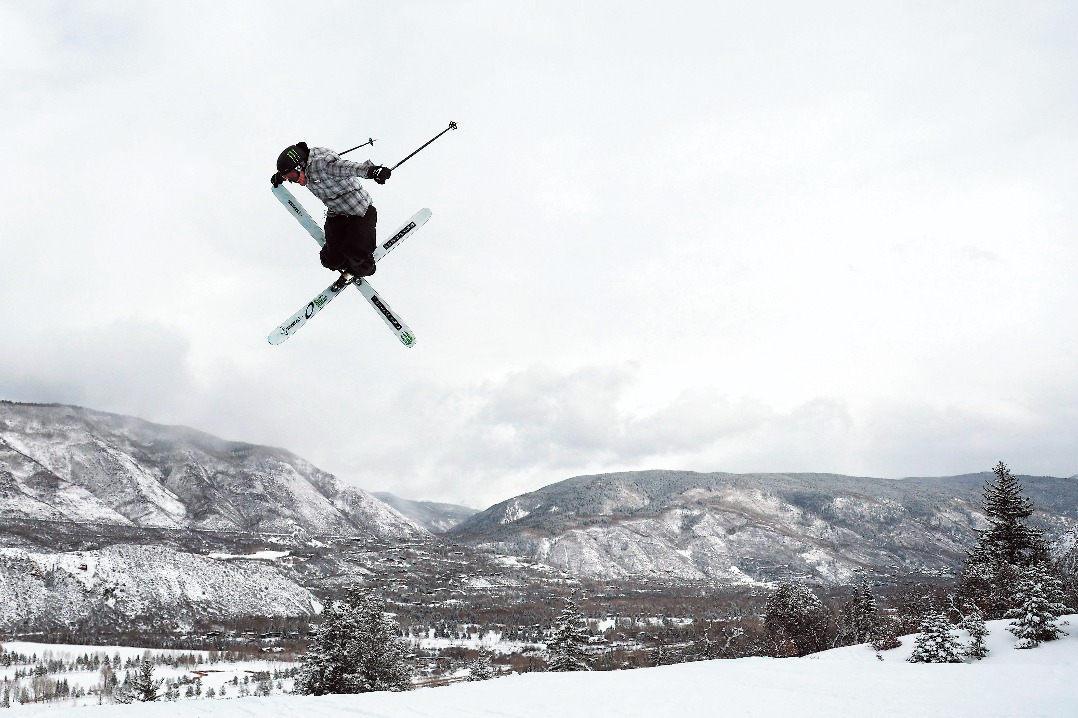
Snowboarders and skiers are pushing new boundaries to impress judges









Stealing the show
The list of inventive acrobatics and virtuosity is endless. On top of that, many Olympic competitors want to keep an element of surprise. "Yeah, tricks I'll keep a secret," said American free skier Alex Hall when asked about his plans.
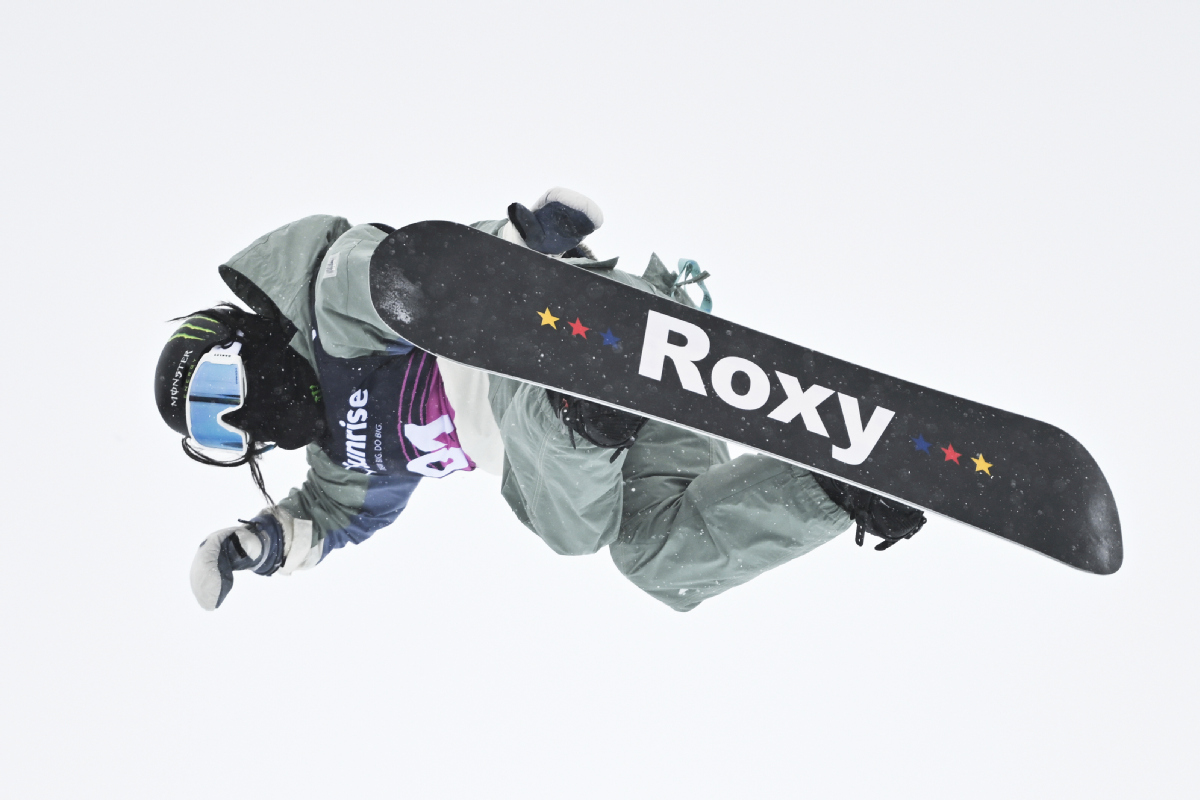
Japanese snowboarder Murase Kokomo offered a possible preview in November when she became the first woman to land a backside triple cork 1620, a maneuver involving four-and-a-half rotations and three off-axis flips (corks).
She won bronze in Beijing in the big air competition, in which a snowboarder launches off a towering ramp and performs flips and twists in the air.
Rotations keep getting more difficult, with numbers at the end of a trick, signaling the degrees of the spin, rapidly rising. A year ago, Japanese snowboarder Hiroto Ogiwara and Italian skier Miro Tabanelli landed the first 2340s — six-and-a-half rotations in the air.
On the halfpipe, South Korea's Lee Chae-un completed the world's first triple cork 1620 during training in 2023.
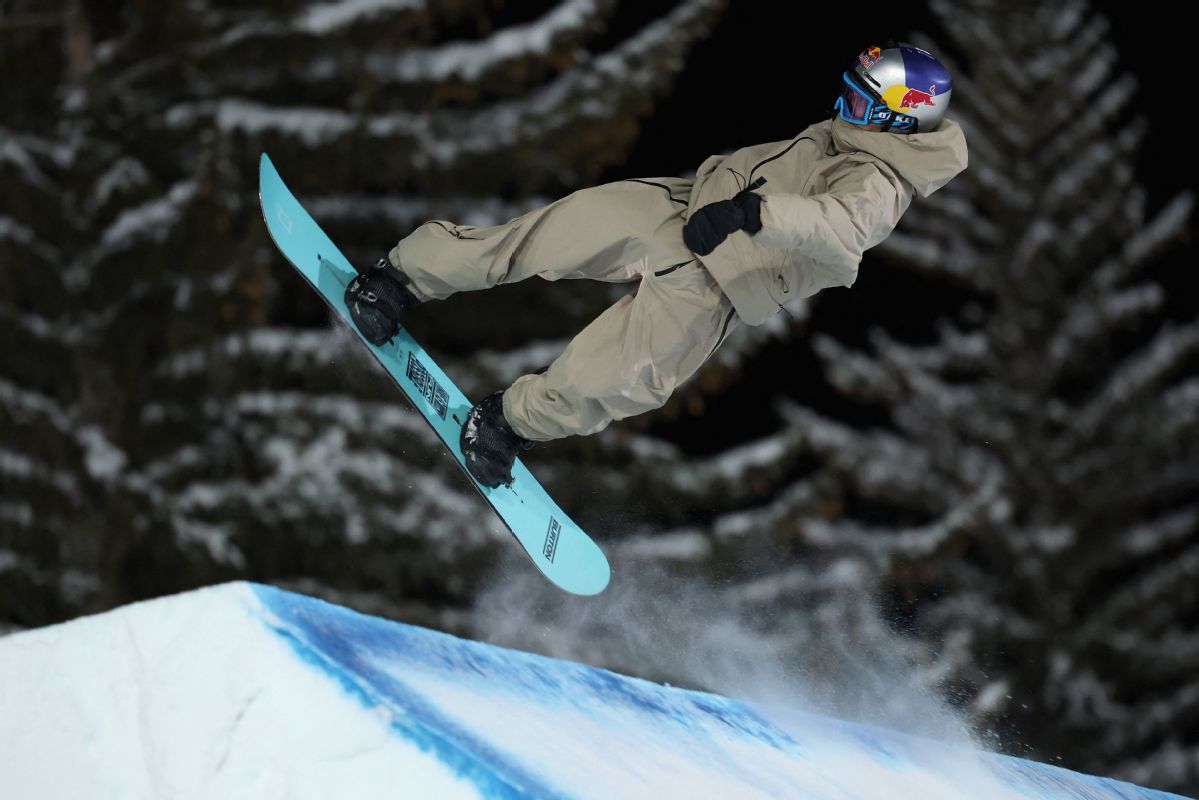
Now, the triple cork appears to be a must-have trick for male snowboarders at Milano-Cortina.
For the women, twice gold medalist Chloe Kim of the United States was the only snowboarder performing a 1080(three spins) for years.
With competitors catching up, she has added a 1260 and other variations. Kim may need to deploy her toughest tricks if one of her rivals puts down a standout run, said NBC Sports analyst Todd Richards. It is unclear how a recent shoulder injury might affect her performance.
"Will we see someone do back-to-back double corks?" The former US Olympic snowboarder pondered. "Maybe that's Chloe. That would be a first."
Tricks getting scarier
Aside from the difficulty, snowboarders are judged on the creativity they demonstrate in stringing together various elements. Athletes often draw inspiration from skateboarding and other action sports.
"It gets harder and harder, with the tricks getting bigger and harder and all that, and more scary," said Red Gerard, a 2018 slopestyle gold medalist who has earned a spot on the 2026 US Olympic team. "It gets really hard to kind of keep that creativity happening."
Rising difficulty may also mean more injuries or falls, which could upend a competition.
"There's more opportunity for not as many runs to get landed," Gerard said."You have to go into it knowing it's going to be a fight, and there's going to be no easy part about it."
While a high difficulty trick may wow the judges, they are only part of the scoring equation. Marks are based on a combination of difficulty, execution, amplitude, variety and progression, defined as new tricks or innovative combinations.
Richards said the toughest feat in the halfpipe is to maintain height all the way down.
"One trick does not win you a gold medal," he added.



Most Popular
- Nation's soccer strength reboots for a new era
- Champions lead Winter Olympics quest
- China's U23 captain Xu Bin set to join Premier League club Wolves
- U23 near miss brings hope and lessons for Chinese soccer
- Short track skaters named flag bearers as Hungary unveils 2026 Winter Olympic squad
- China's historic run at AFC U23 Asian Cup sparks praise