Ancient pressure cooker making a stir









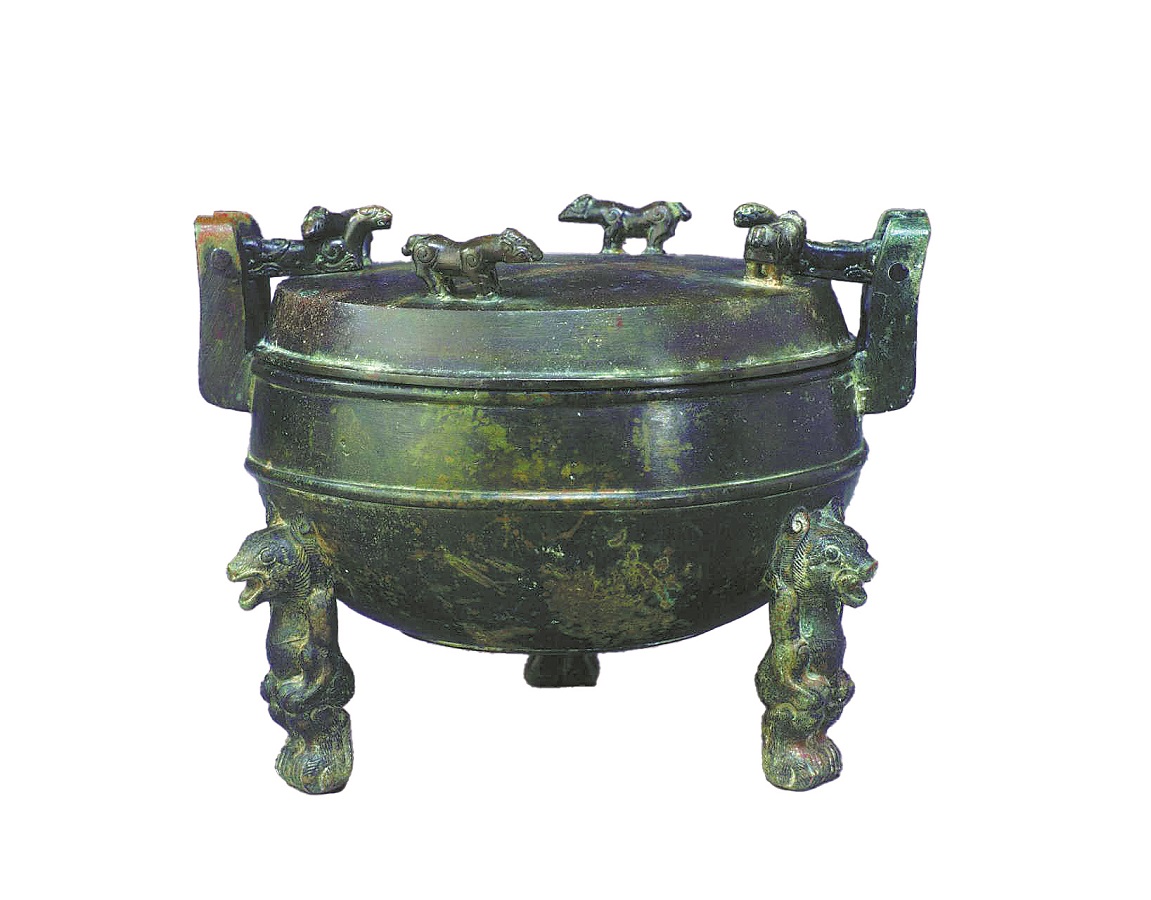
The pressure cooker is a modern kitchen marvel that slashes cooking times for favorite stews. But the technology was developed in China more than 2,000 years ago — and it was a lot cuter back then, because the pot had feet.
Recently, an ancient artifact — the Tripod with Bear-Shaped Feet — at the Hebei Museum in Shijiazhuang, the capital of Hebei province, has taken social media by storm. Unearthed in 1968 from the tomb of Liu Sheng, a prince of the Western Han Dynasty (206 BC-AD 24), the ancient pressure cooker with feet stands a modest 18.1 centimeters tall, but it carries a legacy of ingenuity. Its sealed design sped up cooking and made food more tender.
When visitors view it through glass at the museum, the first thing that catches the eye is its three feet — chubby little bears in a cheerful squat, wide-eyed and grinning, their finely detailed fur patterns still visible.
The feet don't just add cuteness. Experts said that during the Han Dynasty, bears symbolized good fortune.
But the real genius lies in the lid. The tripod has two handles, each with a flip-down animal-shaped latch. The lid itself is crowned with four standing animal figures.
After putting the lid on, the cook would simply flip the latches down and give a slight twist. Then, click! The latches locked under the figures, creating a remarkably tight seal.
"The design is truly ingenious," said Chen Jianli, from Peking University's School of Archaeology and Museology, during a recent program on China Central Television.
The tight fit, aided by raised patterns on the rim and lid, significantly reduced the escape of steam, thereby raising the pot's internal pressure, which cooked food faster.
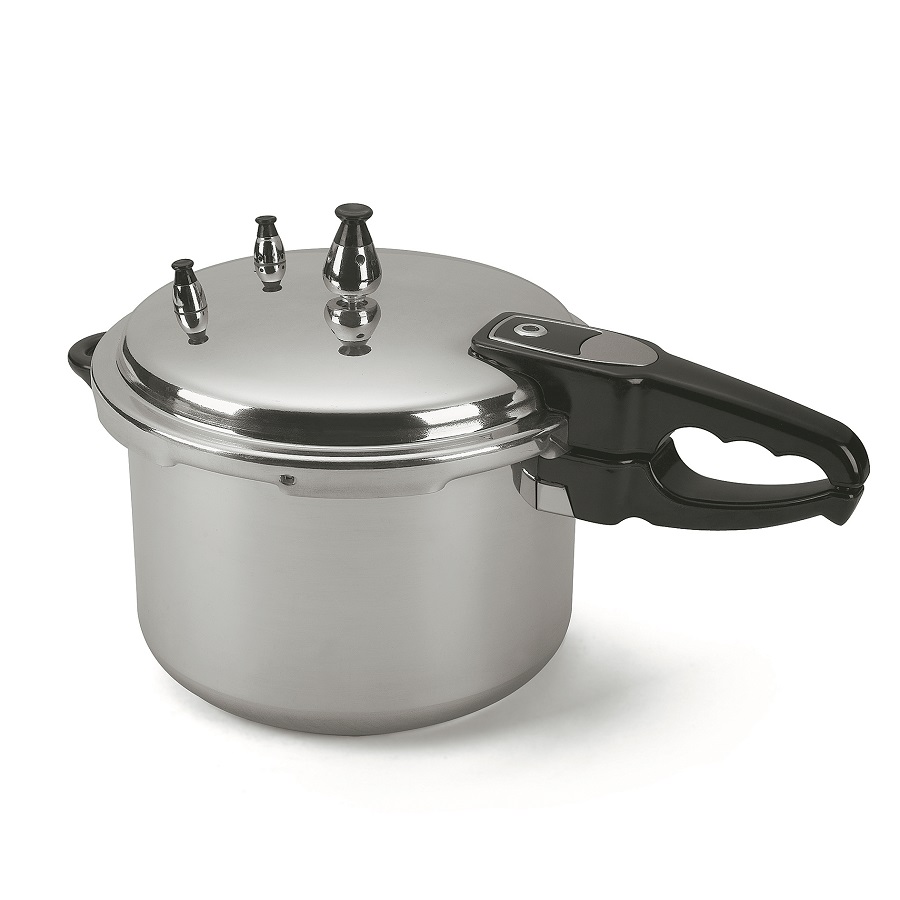
The method still works. Chen mentioned tests conducted by researchers with a replica pressure pot. Chicken pieces inside became deliciously tender after just half an hour of cooking.
The pressure method not only saved time for Han Dynasty cooks, but, in an era when culinary choices were expanding, likely helped preserve the flavors of precious ingredients, he said.
The innovation was centuries ahead of its Western counterpart. It wasn't until the late 1600s that French physicist Denis Papin invented a "steam digester" — some 1,700 years after China's version.
"Its innovative spirit is undeniable," said Chen Jing, a researcher at the Hebei Museum. "The ancient designers created this locking structure similar to a modern pressure cooker. Its clever scientific design is truly admirable."
Fabricating the pressure cooker demanded exceptional bronze-casting skill, a testament to the advanced craftsmanship of the era, she added.
"The tripod connects ancient ingenuity to modern life, and it reminds us that some clever ideas are truly timeless," Chen said.
Netizens have gone crazy over the relic. "Please share a purchase link," one wrote in a post on Sina Weibo. "This is much cuter than my pressure cooker at home."
Another marveled: "It seems we're just using what our ancestors perfected long ago."
All that's needed now is bear-shaped feet.
Zhao Rixi in Shijiazhuang contributed to this story.






- China's sacred revolutionary sites Zunyi, Yan'an to be connected by high-speed rail
- Power of education shines in Xizang
- Ancient pressure cooker making a stir
- Ten photos from across China: Jan 16 – 22
- China moves to set national standards for pre-made dishes
- Chinese company unveils plans for commercial space flights