Vietnam sees rapid growth despite tariffs
Ahead of opening of Party Congress, experts hail shift toward innovation









As the Communist Party of Vietnam begins its 14th five-yearly National Congress on Monday, experts are highlighting the country's rapid growth as it emerges as an economic powerhouse in Southeast Asia and beyond despite tariff challenges.
Vietnam posted a GDP growth of 8.02 percent last year, the fastest among members of the Association of Southeast Asian Nations and one of the strongest performers globally.
"The more than 8 percent expansion witnessed in 2025 is a landmark achievement," said Burkhard Schrage, interim head of the Management Department at RMIT University Vietnam's Business School, describing the country as "a bright spot amid continued global volatility".
As the congress runs through Sunday, Schrage said he expects a decisive shift toward a "new growth model" that prioritizes quality, sustainability and technological sovereignty over sheer volume.
This is because the draft political report for the congress — the strategic road map for the next five years — has for the first time placed science, technology and innovation at the core of the national growth strategy, he said.
"The congress is widely viewed as a historic turning point, marking the transition into a new era of national strength and self-reliance."
Le Hong Hiep, a senior fellow in the Vietnam Studies Programme and the Regional Strategic and Political Studies Programme at the ISEASYusof Ishak Institute in Singapore, said the key drivers behind Vietnam's growth include rising exports, increased foreign direct investment, stepped-up infrastructure investment and a diverse strategy to boost consumption and enhance ties with traditional trade partners.
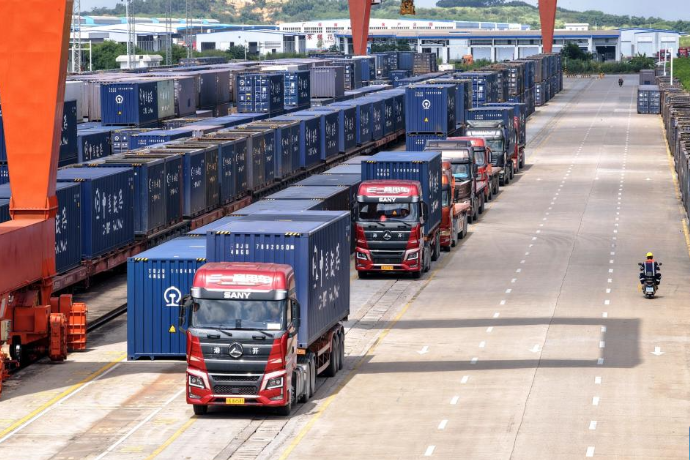
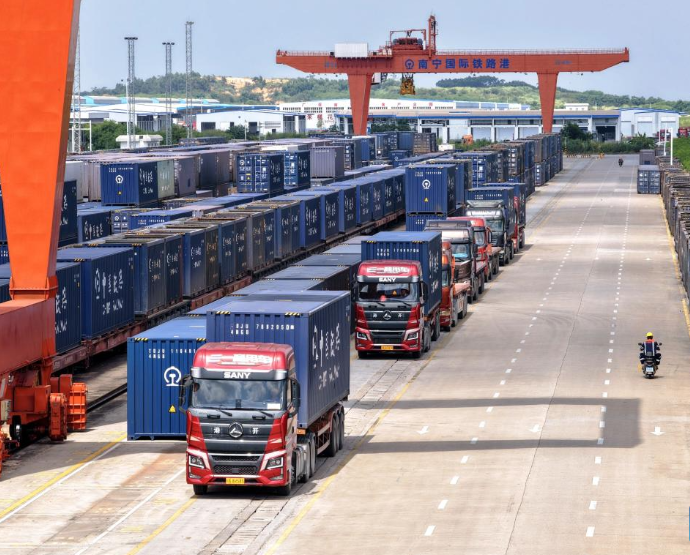
Despite facing 20 percent tariffs imposed by the United States since August, Vietnam's exports grew 20 percent year-on-year in the fourth quarter and rose 17 percent to $475 billion for the whole year, Viet Nam News reported. Disbursed foreign direct investment inflows also rose 9 percent year-on-year to $27.6 billion, the highest level in five years, according to the National Statistics Office.
"In 2026, we will be able to see a full picture of the tariffs' impact on Vietnam exports and how that will translate into impacts on the overall economy," Hiep said.
The government is already implementing policies to deal with the impact, including diversifying exports away from the US by increasing its exports to other countries, he said. "In these efforts, China is also featured significantly in Vietnam's plans," he said, adding that Hanoi is seeking to boost exports to China to reduce its trade deficit with its neighbor and to offset any decline in shipments to the US and other economies.
Infrastructure projects
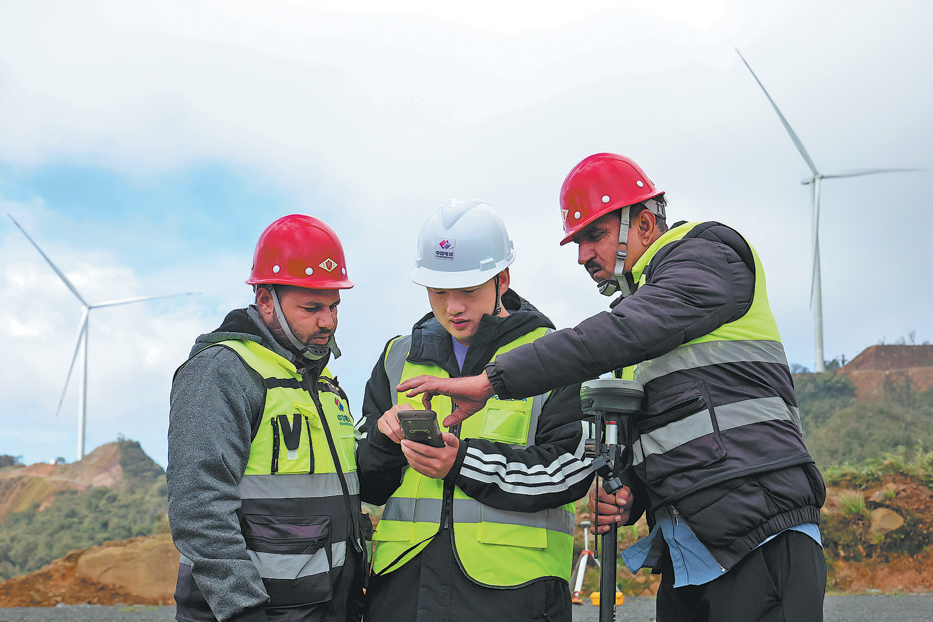
Highlighting Vietnam's growing willingness to implement new infrastructure projects with China alongside heavy domestic investment, Hiep said it is logical to connect Vietnam's infrastructure network with those of other countries, especially China, where development has been robust.
"If Vietnam can build these new infrastructure projects and connect them with Chinese ones, that will boost the efficiency and potential of these projects to contribute to the overall economic development of Vietnam," he said.
Infrastructure breakthroughs are seen as a "foundational pillar" for achieving double-digit growth in 2026, according to an opinion piece published by the state-run Vietnam News Agency on Tuesday.
"I see Vietnam entering a 'defining decade' that will likely reshape the economic hierarchy of Southeast Asia," Schrage said, adding that the country is on track to overtake Thailand as ASEAN's third-largest economy by 2026 or 2027.
Looking ahead to 2030, he said Vietnam's economic standing will likely be defined by its transition toward a high middle-income status.
kelly@chinadailyapac.com