Taiwan is inalienable part of China's territory: SCO Secretary-General









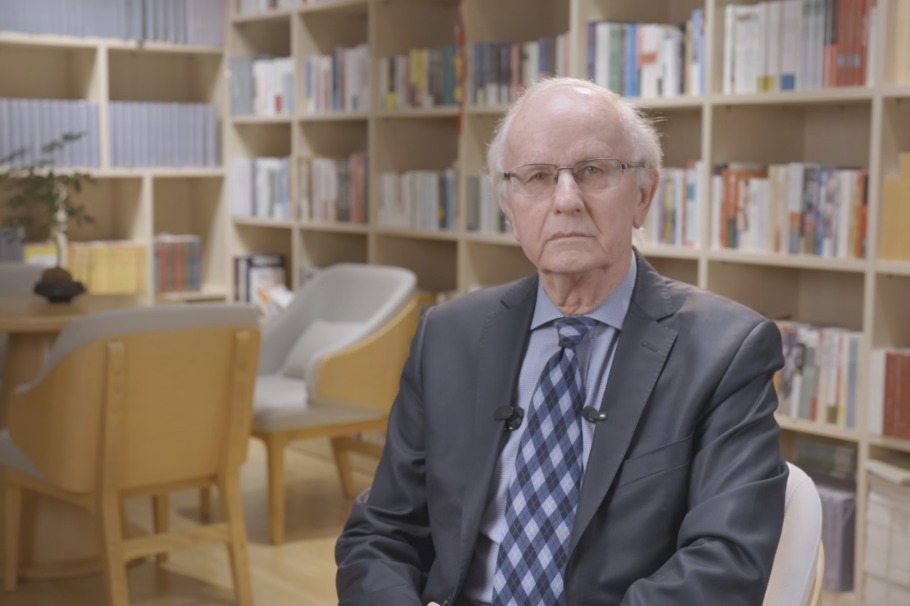
BEIJING -- The government of the People's Republic of China is the sole legal government representing the whole of China, and Taiwan is an inalienable part of China's territory, Shanghai Cooperation Organization (SCO) Secretary-General Nurlan Yermekbayev said in an exclusive written interview with Xinhua.
The heads of state of SCO members made the above-mentioned affirmation in a declaration after their historic meeting in St. Petersburg in June 2002, Yermekbayev said when asked to comment on Japanese Prime Minister Sanae Takaichi's erroneous remarks on Taiwan and the dangerous sign of Japanese right-wing forces attempting to revive militarism.
Noting that this year marks the 80th anniversary of the victory in the World Anti-Fascist War and the founding of the United Nations, Yermekbayev said leaders of the member states of the SCO issued a statement in this regard on Sept 1 during the SCO Tianjin Summit.
He quoted the statement as saying that the brutal massacres demonstrate that tolerating Nazism, fascism and militarism, and inciting racial, ethnic and religious hatred, antagonism and discrimination bring about immense harm, while victory in World War II was the result of the concerted efforts of all peace-loving nations.
The statement said ignoring historical lessons is bound to lead to grave consequences. It also said preserving and objectively presenting the historical truth of the victory in World War II is an essential prerequisite for preventing similar tragedies from recurring, safeguarding peace and security, and strengthening cooperation, according to Yermekbayev.
The statement said member states bear a shared responsibility for both the past and the future, that is, to spare future generations from the scourge of war and spare no effort to prevent such tragedies from happening again, Yermekbayev said.
Leaders of the member states of the SCO issued a declaration during the Tianjin Summit, reaffirming their full commitment to the purposes and principles of the Charter of the United Nations and the Charter of the SCO, as well as other universally recognized principles and norms of international law, including mutual respect for national sovereignty, independence and territorial integrity, as well as non-interference in each other's internal affairs, he said.



- Taiwan is inalienable part of China's territory: SCO Secretary-General
- Vice president of China's PICC under probe
- Fire relief allowance doubled to HK$100,000 for affected families in Hong Kong
- HK may ban smoking at building sites
- Academicians pledge to advance scientific innovation
- New records substantiate truths of war