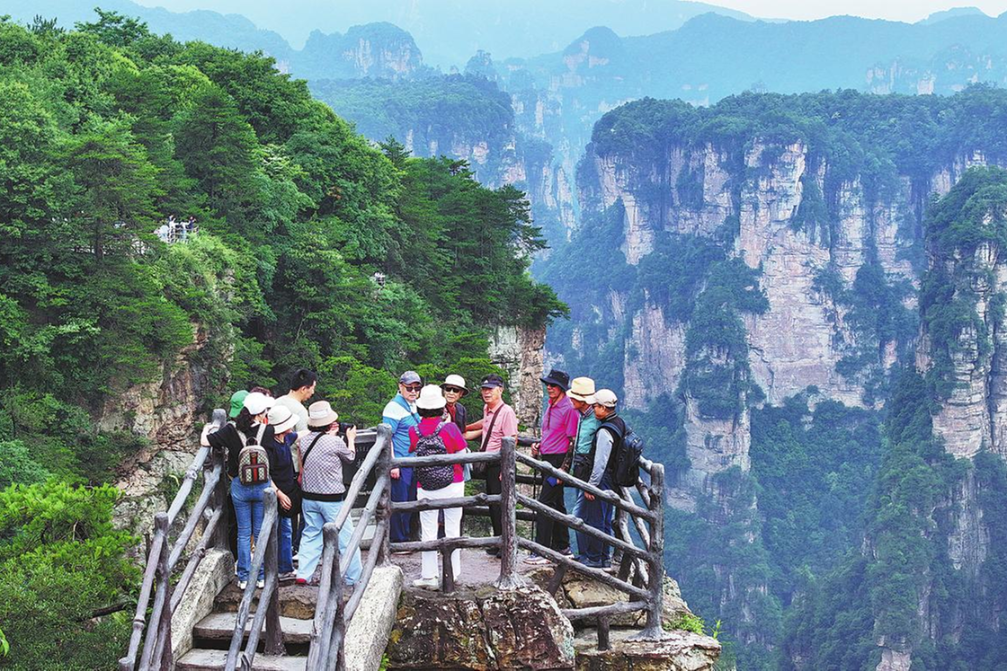
A rewilding adventure
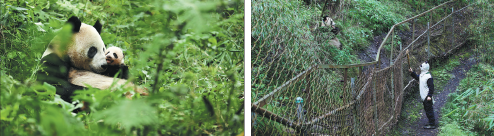
Mother pandas train their cubs how to survive before being returned to nature









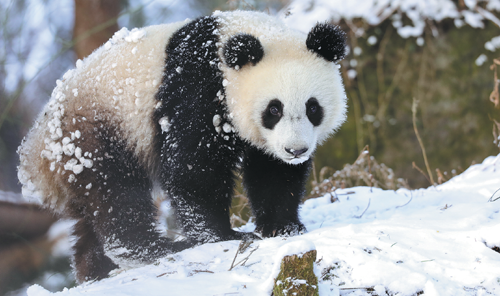
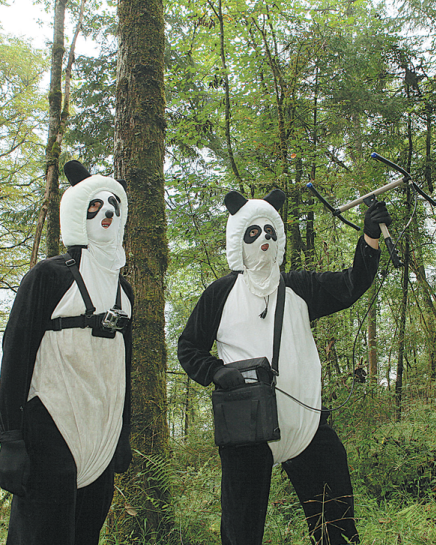
The China Conservation and Research Center for the Giant Panda in Wolong in Sichuan province, has recently been exploring ways of returning its captives to the wild, and has already made a number of breakthroughs.
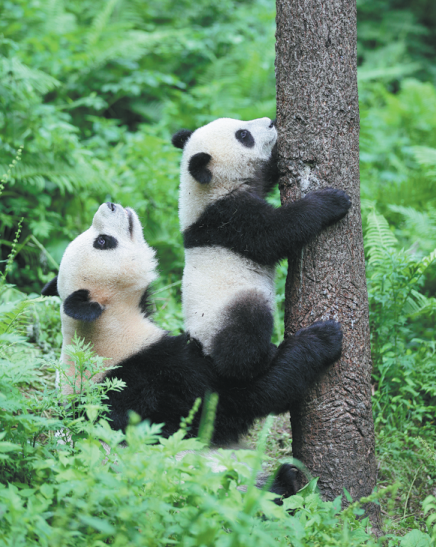
Since 2010, more than 30 giant panda cubs have taken part in rehearsals to reintroduce cubs to the wild by learning to rely on their mothers.
Eleven cubs so far have been released into the wild, nine of whom are known to be alive.
As a result, the "mother and cub" model has become a standard for returning giant pandas to the wild.
Since the 1960s, China has created 67 nature reserves to protect the endangered species, which are mainly found in the provinces of Sichuan, Shaanxi and Gansu.
In July 2003, the center began exploring ways of releasing its captive pandas back into the wild and in April 2007, the first of its giant pandas was released in Wolong.
The project was halted temporarily by the 2008 Wenchuan Earthquake and did not begin operations again until 2010.





Today's Top News
- China to beef up personal data protection in internet applications
- Beijing and Dar es Salaam to revitalize Tanzania-Zambia Railway
- 'Kill Line' the hidden rule of American governance
- Warming of oceans still sets records
- PBOC vows readiness on policy tools
- Investment boosts water management