China issues guideline to stabilize grain production









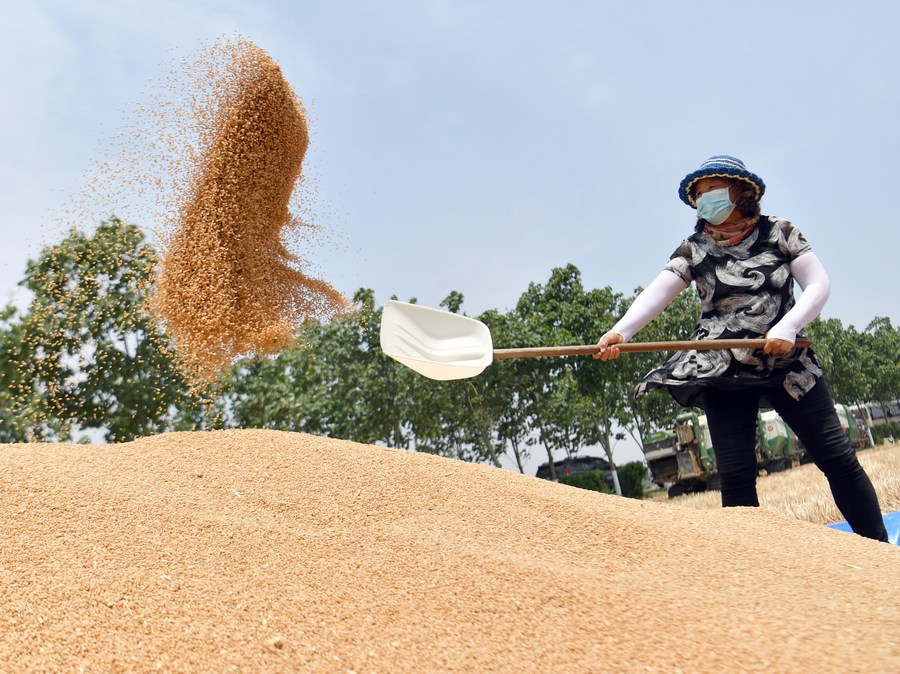
BEIJING -- The General Office of the State Council has released a guideline on preventing non-grain use of arable land and stabilizing grain production to ensure food security.
Underscoring food security as the top priority in China's agricultural work, the guideline stressed that grain production must be a priority in using farmland resources. It urged related departments to optimize production structures, implement the strictest farmland protection policies, and use arable land scientifically.
The country should unveil special protection measures and regulations for using arable land, the guideline said, calling for strict restrictions on converting arable land into other types of agricultural land, such as forests and gardens.
Efforts should also go into preventing the disorderly production of inedible produces that are excessive in the market, it said.
The guideline stressed fulfilling the targets of protecting permanent basic farmland, calling for efforts to regulate production and business activities, and prohibit the destructive use of the land.
Also, the country should implement incentive policies and improve the economic compensation mechanism in major grain-producing regions while rolling out measures to encourage local governments and farmers in grain production, according to the guideline.
To enhance the production efficiency in the functional areas of grain production, more policy support, as well as agriculture-oriented funds, will be provided, it added.
Apart from improving the mechanical technologies in grain production, the guideline also said that authorities would monitor and assess arable land nationwide with satellite remote sensing technologies and report cases of non-grain farmland use.




- Connecting cities, changing lives
- World's longest expressway tunnel opens to traffic
- Taiwan lawmakers vote to pass motion to impeach Lai
- Xi: Steadfastly implement conduct rules
- Beijing community leads the way in grassroots governance
- HKSAR govt extends thanks to various units for supporting people affected by residential complex fire