



Guizhou sets digital economy target for 15th Five-Year Plan









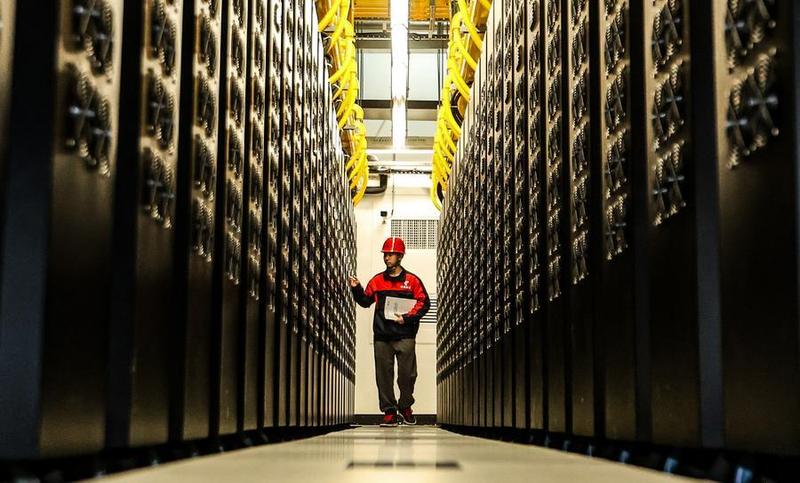
Guizhou's latest government work report sets out an expanded role for digital and intelligent industries, linking long-term economic targets with concrete applications such as smart tourism systems already in use across the province.
The report frames these applications within a rapidly expanding digital and intelligent sector, which reached about 280 billion yuan ($40 billion) in 2025 and achieved an average annual growth rate of 16.2 percent over the previous five years, according to the province's big data bureau.
For the upcoming 15th Five-Year Plan period (2026–30), Guizhou aims for the added value of core digital-economy industries to account for 8 percent of its regional GDP, according to the report, which was released on Tuesday.
For the first time, the report calls for accelerating the development of computing power, data, artificial intelligence, and electronic information to support this goal.
The ongoing expansion of the digital sector also yields rewards for traditional industries, including tourism. A unified provincial platform now integrates cultural and tourism data covering scenic sites, hotels, transportation, and cultural resources, allowing authorities and travel operators to manage visitor flows more efficiently. The system can anticipate bottlenecks, schedule shuttle services, and adjust traffic in advance, according to industry representatives.
"For example, travel routes linking the Huangguoshu and Xiaoqikong scenic areas can be planned in advance, congestion points can be predicted, shuttle services scheduled, and traffic flows adjusted accordingly," said Bao Lu, a deputy to the Guizhou People's Congress and general manager of a travel agency.
She added that intelligent systems would continue to be applied to improve management efficiency and visitor experience.








