


China, New Zealand reaping rewards of kiwifruit cooperation










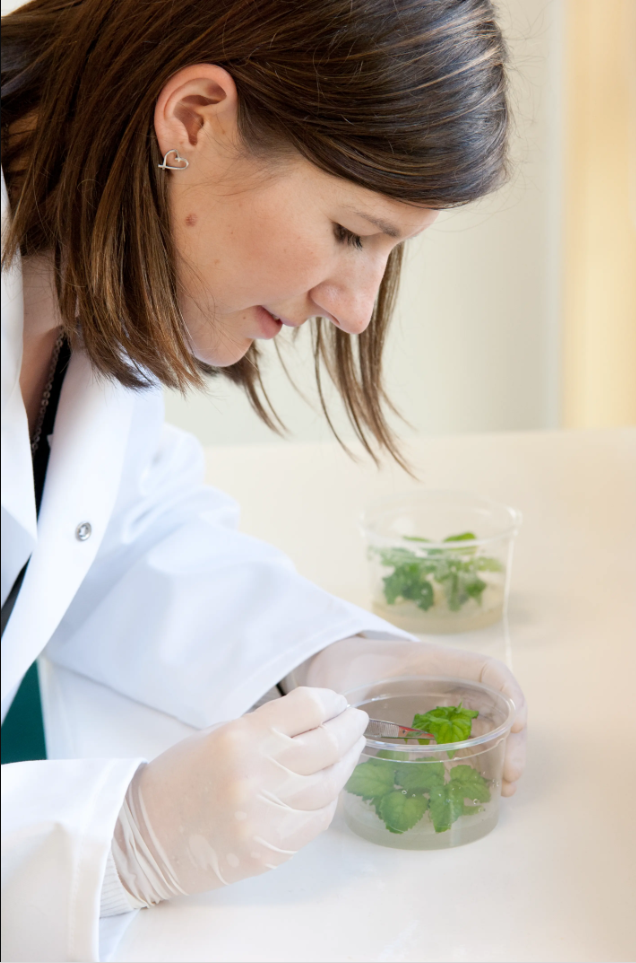
These links have since reaped rich rewards in research and other fields, proving the importance of a vision of shared development through close cooperation.
The lab itself helped provide firm foundations for Chinese and New Zealand scientists' successful collaborations in kiwifruit cultivation and research, reflected in Pilkington's work.
"The laboratory was established originally to conserve germplasm, to ensure that kiwifruit species from the wild could be looked after, to ensure that we maintain the diversity in kiwifruit that exists in the wild in China," Pilkington said.
"Since then, the work at the laboratory has focused on how we do research together that's mutually beneficial. So from a New Zealand perspective, we are very interested in research into things that we cannot study in New Zealand.
"For example, the New Zealand climate is really good for our own kiwifruit, which is a problem for us, for kiwifruit breeding, because we want to be able to breed kiwifruit that would grow in different environments and be robust to climate change. So that's an example of one area where we're really keen to collaborate with Chinese researchers, to look at the environment in China and how kiwifruit grow in different environments to what we have in New Zealand."
Researchers from Southwest China's Sichuan province who are involved in the joint lab have also hailed its achievements in preserving germplasm resources, breeding new varieties of kiwifruit and promoting them, helping to develop the sector in countries involved in the Belt and Road Initiative through cultivation technologies.





