



Manufactured appeal









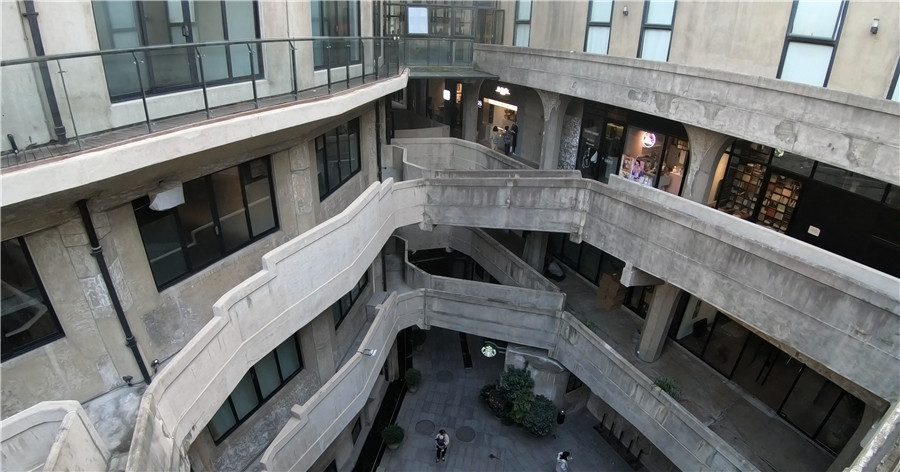
As one of the first five open ports in China, Shanghai opened to international trade in 1843 and has since evolved into a large-scale industrial base in the country and the biggest financial center in the Far East.
For decades, the city was known for its achievements in light industry, especially textiles and food; and also heavy industry, including metallurgy, chemicals and machinery.
For instance, most Chinese bought items like watches, bicycles, sewing machines and radios made in Shanghai in the 1960s, says Ma Shanglong, a former librarian with the Shanghai Writers' Association, who researches the city's culture.
With the adoption of the reform and opening-up in China, Shanghai's industrial structure has changed since the 1980s. Many labor-intensive industries were relocated to the suburbs or inland cities. Also, tertiary industries, and hightech and deep-processing units started in Shanghai as deindustrialization and urbanization happened in the heart of the city.
In the 1990s, the reuse of old industrial areas saw the city enter a new stage of strategic growth, according to a book by Zheng Chongxuan, a Shanghai Academy of Social Sciences researcher.


Today's Top News
- China's deep-sea drilling capacity reaches 5,000-meter level
- ASEAN, China working to build inclusive AI future
- Steady hand to help steer complex links
- Hi Five China: Huaihua's bamboo breakthrough
- Advanced manufacturing pushed
- PLA, CCG carry out exercises around Huangyan Island





