Asia-Pacific
Koizumi attacks media over criticism
(Reuters)
Updated: 2006-08-10 09:57
 |
Large Medium Small |
TOKYO - Japanese Prime Minister Junichiro Koizumi on Thursday attacked the media for criticising him over his pilgrimages to a Tokyo war shrine that critics in Asia and abroad see as a symbol of the country's past militarism.
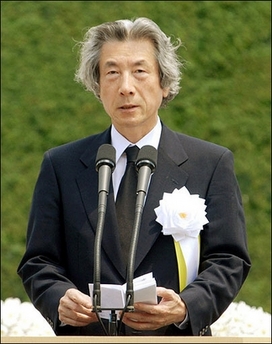 Japanese Prime Minister Junichiro Koizumi signaled he will likely go to a controversial shrine on a sensitive war anniversary despite appeals from neighboring countries and rising public opposition.[AFP] |
Speculation is mounting that Koizumi will visit the Yasukuni Shrine, where wartime leaders convicted as war criminals are honoured along with Japan's 2.5 million war dead, on the symbolic August 15 anniversary of Japan's surrender in World War Two.
Koizumi promised during his successful campaign to become ruling party chief in 2001 that he would visit Yasukuni on August 15. He has visited the shrine every year since then, but never on the anniversary.
"If I do keep my public promises, they (media) criticise me and if I do not keep my public promises, they criticise," Koizumi told reporters before leaving for a two-day visit to Mongolia.
"It's not just August 15, they always criticise no matter when I visit. It's the same whenever I go.... Japan's media should wake up. There are pros and cons."
But Koizumi, who said on Wednesday that promises should be kept, declined to say directly whether or when he would go.
"I will make an appropriate decision," he said. "I always do that."
Koizumi came under fire in 2003 when he said a during a parliamentary debate with an opposition leader that it was "no big deal" to break campaign pledges.
Most mainstream Japanese media have criticised Koizumi's annual visits to the shrine, which have markedly chilled ties with China and South Korea. Both countries have refused to hold leaders' summits with Japan as a result.
"Is it good not to have summit talks just because of one issue?" Koizumi said. "I am an advocate of friendly Sino-Japanese relations."
Chinese foreign ministry spokesman Liu Jianchao on Monday urged Japan to stop visits by its leaders to Yasukuni.
But Koizumi defended his visits, saying they were done to pray for peace. "I think it is natural that Japan's prime minister visits Yasukuni to pledge not to wage war again and express his condolences on the war dead," he said.