IAEA
Iran offers IAEA information on uranium project
(Reuters)
Updated: 2006-02-24 09:11
 |
Large Medium Small |
Iran has offered UN inspectors information about a shadowy uranium-processing project that Western intelligence has linked to missile warhead design and tests with high explosives, a senior diplomat said on Thursday.
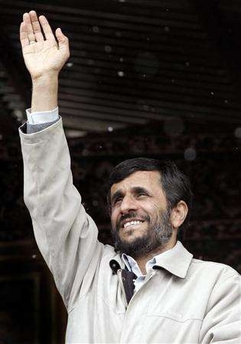 Iran's President Mahmoud Ahmadinejad waves as he begins his speech in Farsan, about 340 miles south of Tehran, February 23, 2006. [Reuters] |
The diplomat, close to the IAEA but asking not to be named, said IAEA inspectors would be in Tehran this weekend to check the information on the "Green Salt Project."
This could form an important part of a report IAEA head Mohamed ElBaradei is to circulate to the UN nuclear watchdog's board members early next week in advance of their March meeting.
Diplomats hope ElBaradei's report will be a conclusive account of three years of IAEA investigations into whether Iran's nuclear energy drive is wholly peaceful or not.
Word of the Green Salt Project first emerged in a summary of investigations by an ElBaradei deputy given to a February 2-4 IAEA board meeting that resulted in a vote to report Iran's case to the Security Council.
WESTERN CONCERN
The vote reflected growing Western concern Iran may be secretly trying to build atomic bombs in breach of commitments to the nuclear Non-Proliferation Treaty. Iran says its nuclear program is solely for power generation.
The summary by Olli Heinonen, ElBaradei's deputy for safeguards issues, said three aspects of the Green Salt Project "could have military-nuclear dimensions and appear to have administrative interconnections."
Iran has dismissed the intelligence as "baseless allegations" but Heinonen's report said Tehran had pledged to provide clarification later.
Green salt is an intermediate product in the conversion of uranium ore into gas for enrichment into nuclear fuel.
A link between uranium conversion and explosives tests would concern the IAEA since the main hurdle in making an atomic bomb is designing a ring of conventional explosives to compress nuclear material in a warhead core to ignite a nuclear chain reaction.
The IAEA also has a range of questions about Iran's procurement of "dual use" equipment -- components applicable to both civilian and military nuclear ends.
Asked about the Green Salt development, a European Union diplomat told Reuters:
"The February 4 board vote made very clear what Iran had to do -- provide transparency that has been long overdue and essential to regaining international confidence in its nuclear intentions, as Dr ElBaradei has repeatedly said."