

President Xi Jinping has called on Chongqing to bear in mind the principle that cities should be built by the people and for the people, and to actively explore new ways for the modernization of governance in super-large cities.





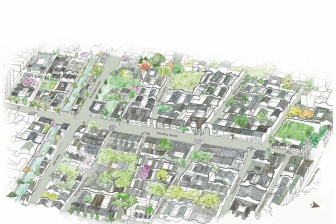 Bringing the history back to the homes
 Industry forum sheds light on AI's role in filmmaking
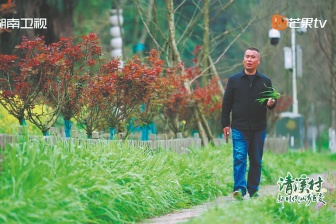
 Chongren ancient town preserves rich heritage



























 京公网安备 11010502032503号



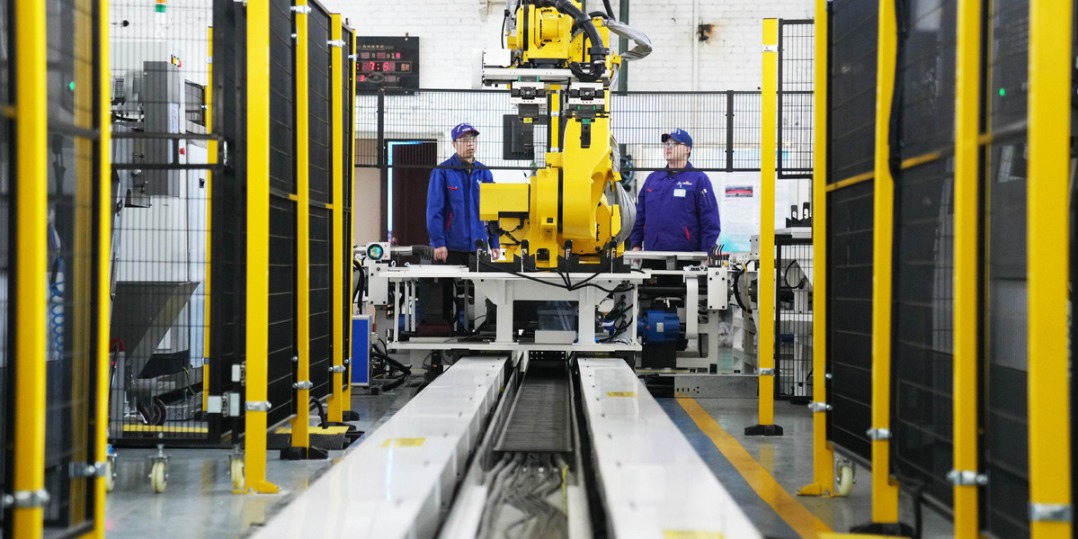






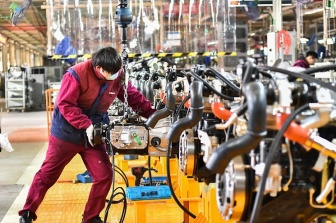
 Industrial robot makers gear up for expansion
 TikTok to challenge bill in US court
 Blinken's visit seeks to stabilize relations
 Beijing efforts in regional development hailed
 TikTok to challenge bill in US court
 Blinken's visit seeks to stabilize relations











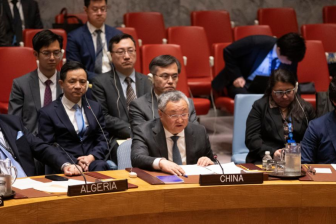
 China's UN envoy opposes weaponization of space
 Italy abortion law changes criticized