BIZCHINA> History

|
BIZCHINA> History
|
|
Plan introduced to address oil price hikes
By Guo Xiaohong and Li Jingrong (China.org.cn )
Updated: 2006-04-04 14:32
The background to the plan In 1998, China set up a mechanism to fix domestic oil prices against international prices. The mechanism played an important role in speeding up the establishment and development of Chinese petroleum and petrochemical enterprises, helping to maintain the continued development of the petroleum industry, ensuring maximal use of domestic and international resources, guaranteeing domestic supplies, and safeguarding the national economy and social stability. However, major changes over the last two years, in particular, in both domestic and international markets have destabilized the situation somewhat. The Chinese petroleum industry now finds itself faced with the following: First, the imbalance between oil supply and demand is stark. Per capita verified oil deposits in China are far lower than the world average. Further, China‘s demand for oil and its import volumes grow every year in keeping with its rapid development. Currently, imports account for more than 40 percent of the country‘s total oil consumption. Second, recent international price hikes have hurt domestic enterprises hard. In 2003, prices were about US$31 per barrel; in 2004 the figure rose to about US$41 per barrel; and in 2005 the figure jumped to US$56 per barrel. Current prices stand at about US$60 per barrel. Third, as a result of international price hikes, crude oil prices are now more than domestic refined or processed oil prices. The average sale price of domestic processed oil is only about US$43 per barrel. Fourth, the price differential between crude and refined oil prices is forcing many domestic enterprises out of business. However, recent price adjustments to refined oil prices to keep them in line with crude oil prices have put enormous pressure on other industries such as transportation and agriculture. Key objectives of the plan The key objectives of the plan are as follows: To guarantee oil supply and promote a steady development of the national economy. Huge differentials between domestic and international prices are dampening enthusiasm for production and import, which has led to increased resource outflow and a markedly reduced domestic supply of refined oil; To adjust the interests of industry and protect the interests of citizens, particularly low-income earners; (For more biz stories, please visit Industries)
|

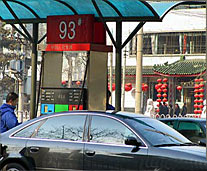 The central government has adopted a comprehensive and coordinated oil price readjustment plan to counter the effects of international oil price hikes. In a Xinhua News Agency report on March 26, officials with the National Development and Reform Commission (NDRC) explained the main points of the plan.