Threat of thirst
Report warns climate change may exhaust 40 to 80 percent of Philippines' water supply by 2040









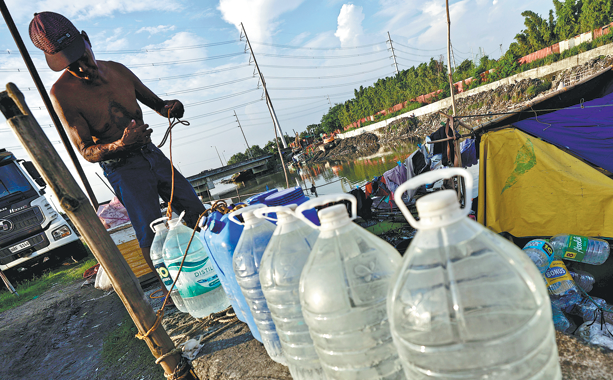
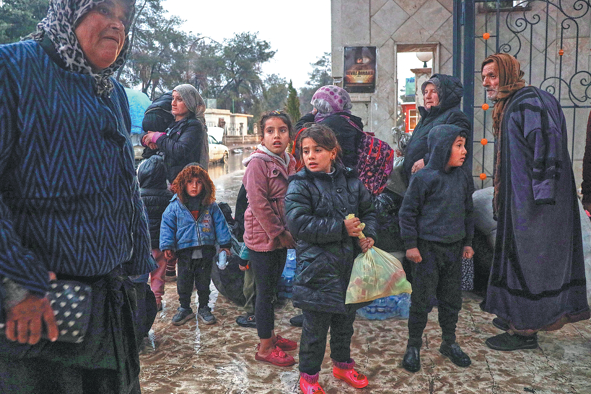
Communities in the Bangsamoro Autonomous Region in Muslim Mindanao, or BARMM, as well as in rural, indigenous and geographically isolated and disadvantaged areas are most vulnerable to this lack of clean water and sanitation infrastructure, the study said.
It noted that 17.8 percent of households in BARMM still practice open defecation, while another 20 percent rely on unimproved sanitation facilities.
Regions such as Basilan, Sulu and Tawi-Tawi, in particular, face the "most severe water stress" given how these areas rely on rainfall and diesel-transported water imports because of the geographic location.
Moreover, areas in the Visayas, such as Cebu, Bohol and Panay Island, as well as Luzon, are also experiencing growing competition for water due to urbanization.
Prone to illnesses
The lack of clean water and sanitation infrastructure also make children more prone to illnesses. On top of this, weather disturbances such as typhoons lead to outbreaks of waterborne diseases such as dengue, leptospirosis and malaria.
To improve the country's water and sanitation sector, UNICEF said the government should prioritize the pending act creating a Department of Water Resources or expand the regulatory functions of the Water Resources Management Office under the UNICEF Philippines and the Department of Environment and Natural Resources.
It also called for the development of a capacity support program for local government units, or LGUs, and incentives for the clustering of utilities in water-stressed areas, noting that LGUs need support in building technical capacity to address the impacts of climate change.
"Our response must be anchored in intergenerational justice, for it is the moral responsibility of our generation to ensure a healthy and sustainable planet for future generations," said Borje, adding that the Climate Change Commission "is committed to advancing the national climate policy that protects and empowers our children and the youth".
At the same time, he urged the youth and other stakeholders to "hold us accountable and to lead in your communities" when it comes to translating national plans into localized actions against climate change.
PHILIPPINE DAILY INQUIRER