China tips scales toward healthier living trends
From lighter food to tech-aided exercise, lifestyle choices improve











Wellness focus
This shift in consumption preference is evident in the food sector. Data from business information platform Tianyancha shows that China currently has more than 14,000 lightfood-related enterprises, with nearly 60 percent of them established in the last five years.
In city streets, sugary bubble teas once cradled in young people's hands are giving way to steaming cups of herbal brews.
Beyond food and drink, spending on fitness is gaining momentum as well. Health-minded consumers have propelled sportswear to China's second most popular clothing category, behind only casual wear, according to a 2025 report from iiMedia Research.
Wellness tourism has also taken off in recent years, with Hainan and Yunnan provinces emerging as popular destinations. Across these southern provinces, resorts are combining natural resources like hot springs, forests and traditional Chinese medicine with modern healthcare, offering trips where travelers can unwind while boosting their health.
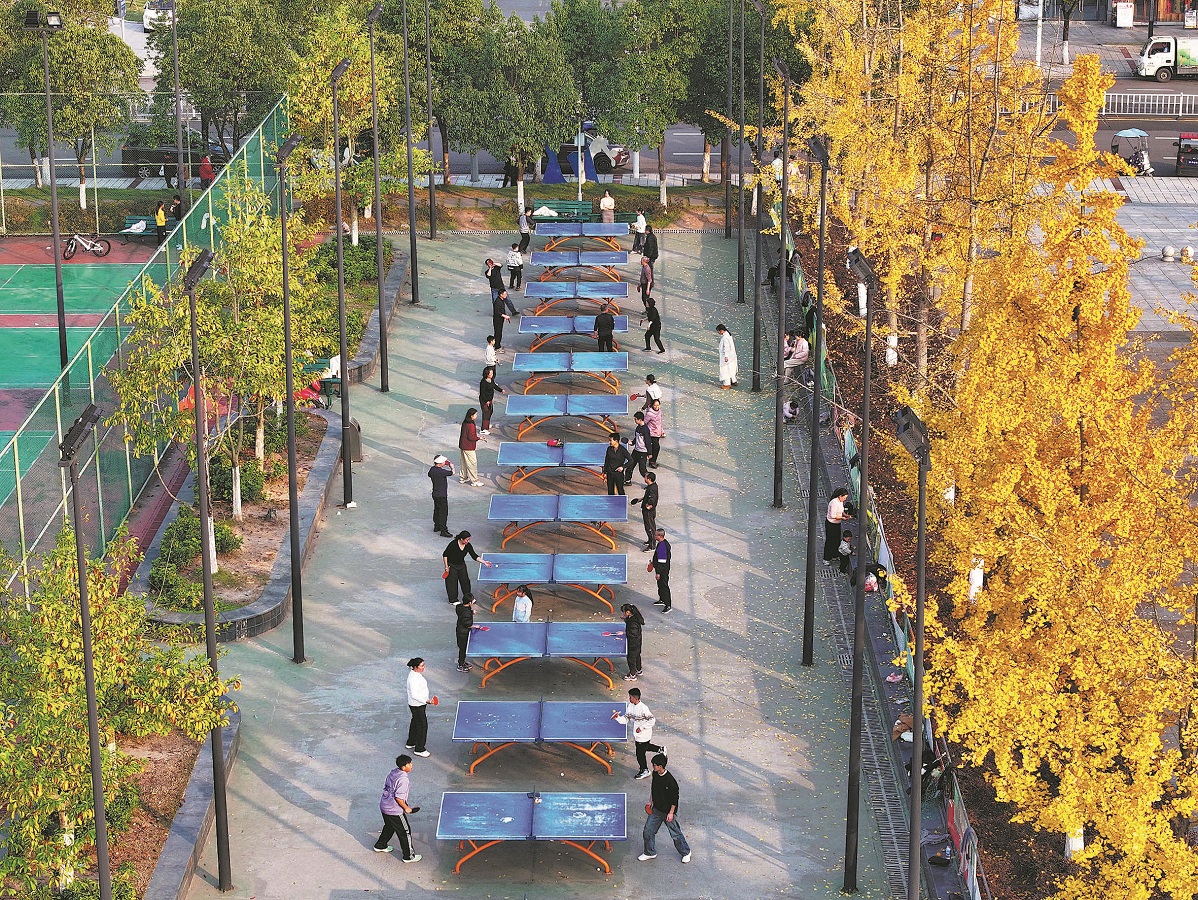
Chinese people aren't just more health-conscious these days. They're weaving wellness into everyday life.
The trend has been fueled in no small part by national strategies.
In 2016, the State Council issued the Outline of the Healthy China 2030 Plan, which was the first medium — and long-term strategic plan for the health sector to be proposed at the national level since the founding of the People's Republic of China. The Healthy China Initiative emphasizes prevention first, shifting the focus from treating diseases to promoting the health of the people.
But that shift does not mean China's healthcare system has run out of momentum. On the contrary, China remains one of the world's fastest movers in terms of medical progress, with key health indicators ranking among the top across middle and high-income countries. In 2024, the average life expectancy of Chinese people rose to 79 — five years more than the global average — and the country is aiming to push that figure to 80 by 2030.