Northern and southern Chinese cuisines meet in Beijing









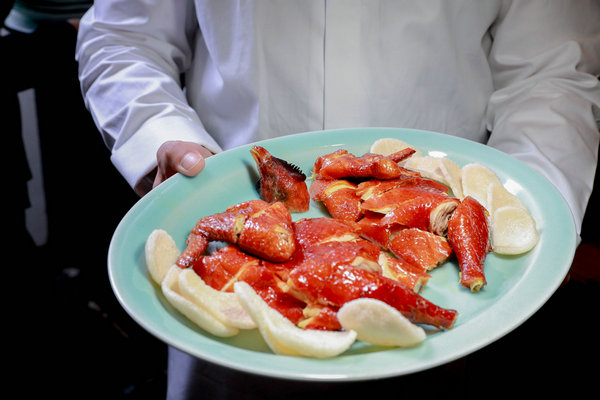
Two leading Chinese chefs from opposite ends of the country joined forces in Beijing in late December to present a limited-time collaborative menu that brought together intangible cultural heritage cuisine from the Liaohe River region in northeastern China and the refined culinary craftsmanship of Lingnan in southern China.
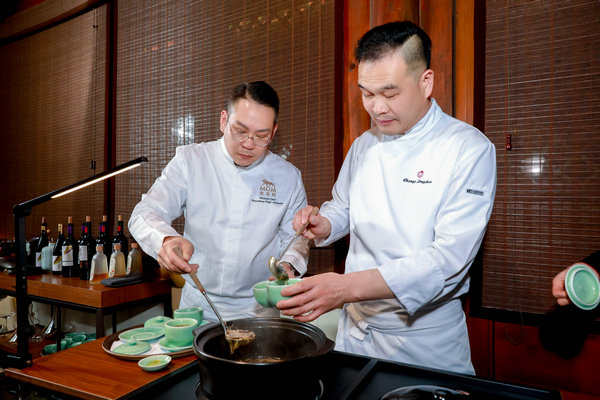
Homan Tsui, executive chef of Imperial Court at the MGM Macau Hotel in Macao, partnered with Chang Longshan, executive chef of the Zhiguan Courtyard in Beijing, to design a menu rooted in regional traditions while exploring contemporary expression. The collaboration highlighted not only geographic diversity but also a shared culinary philosophy centered on respect for ingredients and innovation grounded in tradition.
Tsui, a Hong Kong native with more than 20 years of professional experience, is widely regarded as a representative figure in the modern interpretation of Lingnan cuisine. Adhering to the principle of "eating in season", he is known for integrating traditional Cantonese techniques with modern flavor profiles to re-energize the region's long-established culinary heritage. Chang, from Liaoning province, has spent three decades focused on researching and reimagining fishermen's cuisine from the Liaohe River estuary.
While aligned in their core culinary values, the two chefs brought complementary approaches in technique and seasoning. As a result, most dishes on the menu were co-created, reflecting their distinct understanding of ingredients and achieving a layered flavor profile that exceeded the sum of its parts.
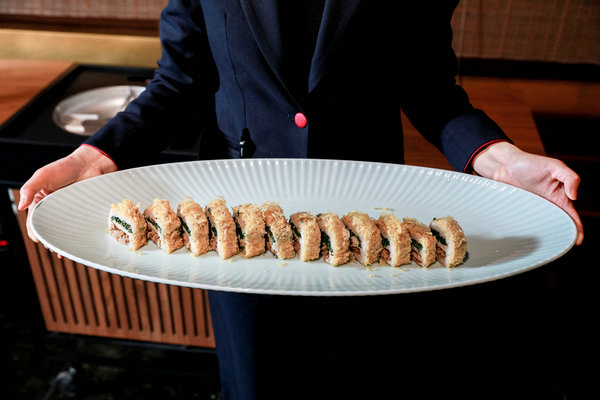
The north-south dialogue was evident from the opening dishes. One standout dish, "Bohai Sea Bay double delicacy with yellow rice wine", combined Chang's chilled Dandong clams with Tsui's rice-wine-infused spotted Babylon snails, using yellow rice wine as a unifying element to merge two expressions of umami.
The centerpiece of the menu was the "Hong Kong-style prairie lamb soup", inspired by Chang's charcoal-grilled lamb tail tip. Drawing on techniques used in traditional Hong Kong snake soup, Tsui reinterpreted the dish to balance the lamb's delicate texture and subtle milky aroma with a rich, cohesive broth.
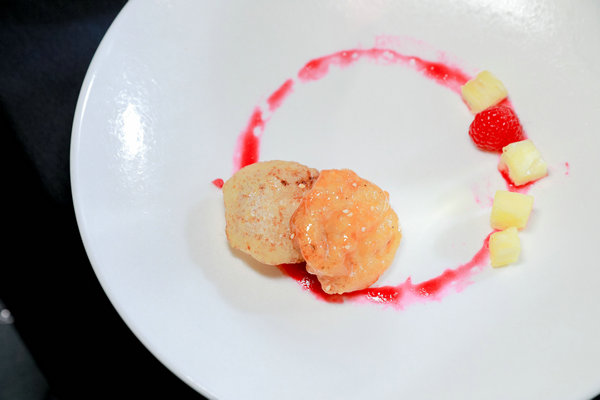
The collaborative approach extended through the dessert courses, where northern and southern ingredients and techniques continued to intersect, bringing the limited-time menu to a refined and lingering conclusion.