Bailu Bay turns eco-revival into rural prosperity
Environmental restoration and art-driven tourism have transformed a former wasteland in eastern China, attracting an increasing number of both wildlife and tourists, Zhao Ruixue reports from Rizhao, Shandong.










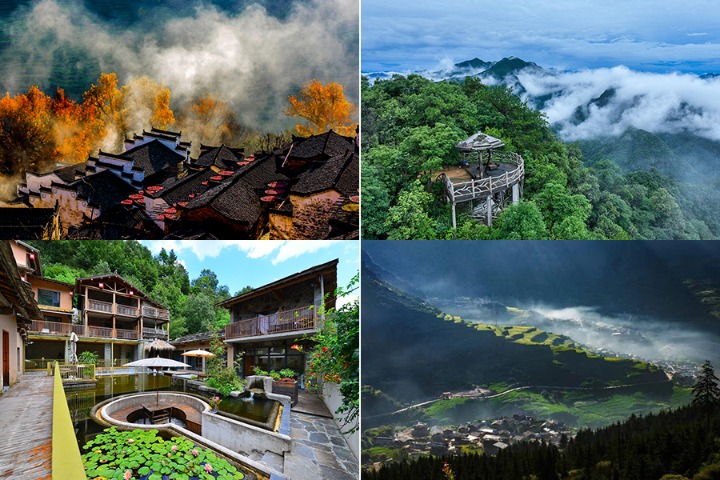
In addition to art facilities, the town has developed an agriculture-themed tourism belt that includes facilities such as a ranch, tea and sweet potato agricultural complexes, and picking bases for blueberries and cherries.
In the town, visitors can admire world-class architecture, experience rural life, participate in farming and savor local delicacies.
"The ultimate goal of rural vitalization is to benefit the villagers," says An.
In a bakery in the town, Chen Yan, from Chenjiagou village, deftly operates a wood-fired oven.
"I used to make 3,000 yuan ($426) a month at a curtain factory. Now, as a baker, my salary has more than doubled," says Chen.
There are now more than 200 farmers working in the town.
"We prioritize hiring locals and provide training. From cleaners to homestay managers, gardeners to bakers, everyone can find a suitable role if they're willing to learn," An says, highlighting how this approach has empowered villagers to shift from traditional farming to skilled professions.
The town has also explored a model of coordinated development with the collective economy of surrounding villages.
"By using funds to join the operation of the town, our village receives an annual dividend," says Xu Yongxue, Party secretary of Dazhuang village.