



Confucius' birthplace cashes in on rural tourism









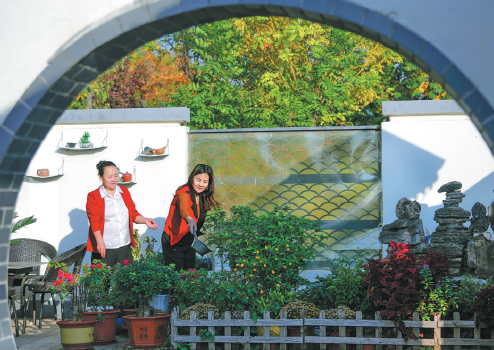
Nestled at the foot of Nishan Mountain, often considered the birthplace of Confucius, in Qufu, Shandong province, Luyuan new village is making strides in rural vitalization.
Benefiting from its strategic location and cultural advantages, the village is now home to more than 180 rural homestays featuring Confucian culture themes that are in high demand year-round, Dazhong Daily, a news outlet in Shandong, reported.
To further develop tourism, a high-standard Confucian virtue demonstration block was built in Luyuan.
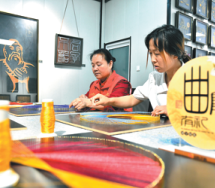
It has also established Confucian culture experience areas such as a Confucius post office and the Kong Mansion seals workshop. Young people returning to Luyuan have designed unique souvenirs such as Kong Mansion pastries and handicrafts.
Residents have also replaced their daily square dance routines with traditional cultural art performances reflecting Confucius culture such as a dance called The Land of Rituals and Etiquette.
The central role of Confucian culture in the village's rural tourism economy has given it a distinct competitive edge compared to other rural tourism destinations. And as more tourists came to visit, more villagers began to pay more attention to the village's image and development.
"Some uncivilized habits that were repeatedly singled out as needing to change during village meetings but never seemed to disappear are gradually disappearing," villager Kong Fanling, who runs a homestay, told Dazhong Daily.
Luyuan's success in attracting tourists through its cultural advantages exemplifies Qufu's attempts to leverage its rich cultural heritage for comprehensive rural vitalization.
In addition to the thriving rural tourism sector, the preservation and development of intangible cultural heritage in the countryside play a vital role in rural vitalization in Qufu.
Traditional crafts such as Dazhuang silk flower production and mulberry papermaking are driving the growth of the "courtyard economy" in Qufu's villages, enabling villagers to increase their incomes, according to local media reports.
Qufu has a permanent population of 617,700, including 214,500 rural residents.
By embracing the use of its rich cultural heritage as a path to rural prosperity, Qufu has fostered culture-driven agricultural and industrial growth.
In the first three quarters of last year, revenue from recreational agriculture and rural tourism reached 376 million yuan ($53 million), up 135 percent on the same period in 2022, when COVID-19 restrictions limited domestic travel.




Today's Top News
- Confidence, resolve mark China's New Year outlook: China Daily editorial
- Key quotes from President Xi's 2026 New Year Address
- Full text: Chinese President Xi Jinping's 2026 New Year message
- Poll findings indicate Taiwan people's 'strong dissatisfaction' with DPP authorities
- Xi emphasizes strong start for 15th Five-Year Plan period
- PLA drills a stern warning to 'Taiwan independence' separatist forces, external interference: spokesperson








